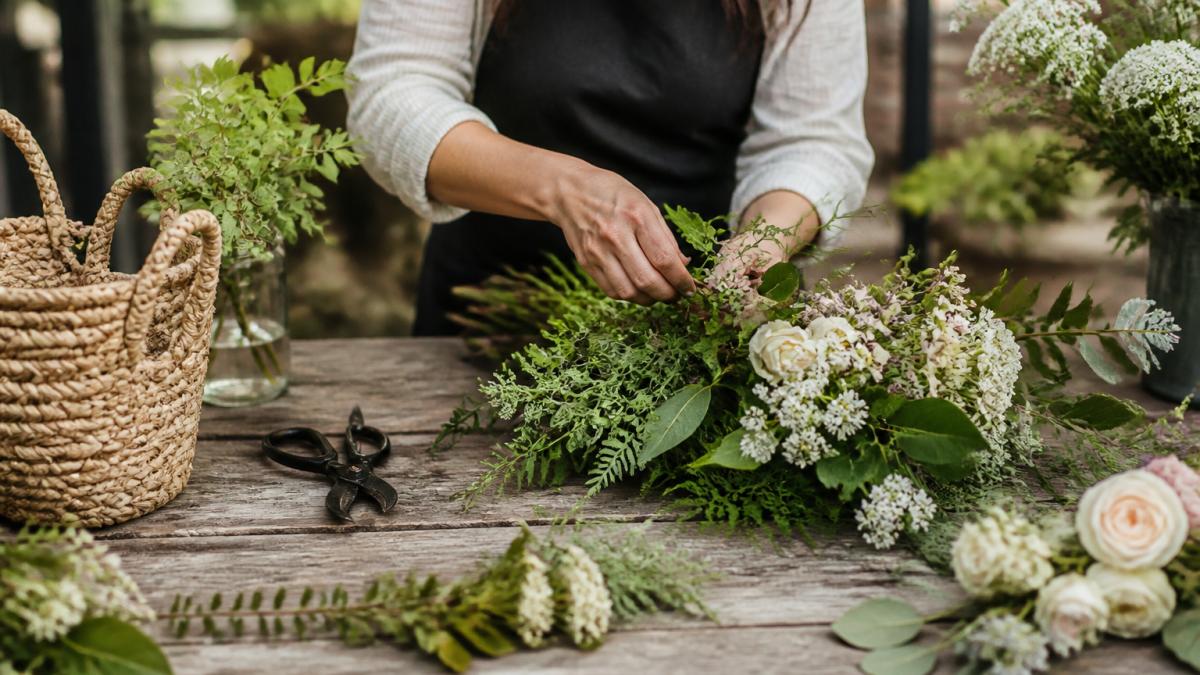
 ultimate-guide
Sustainable Wedding Flowers: A Guide
Table of Contents
- What Makes Wedding Flowers Sustainable
- Seasonal Wedding Flowers Victoria: Availability and Design
- Sourcing Locally Grown and Farm-to-Vase Florals
- How to Avoid Floral Foam in Wedding Arrangements
- Bespoke Floral Design and Intentional Styling
- Managing Floral Waste and Carbon Footprint
- Budgeting for Sustainable Wedding Florals
- Frequently Asked Questions
Last Updated: September 30, 2026
What Makes Wedding Flowers Sustainable
Sustainable wedding flowers are arrangements sourced, designed, and managed with consideration for environmental impact, ethical labour practices, and waste reduction.
True sustainable wedding flowers balance aesthetic vision with genuine environmental responsibility through three areas: sourcing practices, design philosophy, and end-of-life management. This might mean selecting locally grown seasonal blooms, avoiding floral foam entirely, or designing arrangements that can be composted or repurposed after the event.
Choosing sustainable wedding flowers means understanding key trade-offs: air-freighted flowers carry significant carbon footprint, heated greenhouse growing requires energy-intensive climate control, and floral foam ends up in landfill within days. Making intentional choices aligned with your values compounds impact.
Seasonal Wedding Flowers Victoria: Availability and Design
Working with seasonal blooms is one of the most impactful sustainability decisions you can make. Spring brings peonies, ranunculus, and tulips; summer offers roses, dahlias, and native Australian flowers like proteas; autumn features chrysanthemums and jewel-toned blooms; winter brings hellebores, hypericum berries, and dried grasses.
Seasonal blooms are fresher, more affordable, and require less transportation than out-of-season imports. They force intentional design choices: a winter wedding featuring dried pampas creates a different aesthetic than a spring celebration with fresh ranunculus, each telling a story aligned with the natural calendar.
When your wedding date falls outside your envisioned bloom season, you face a choice: import flowers (higher carbon footprint and cost), accept seasonal alternatives, or adjust your timeline. We help couples design around what's genuinely available, creating more authentic and memorable results than forcing an out-of-season aesthetic.
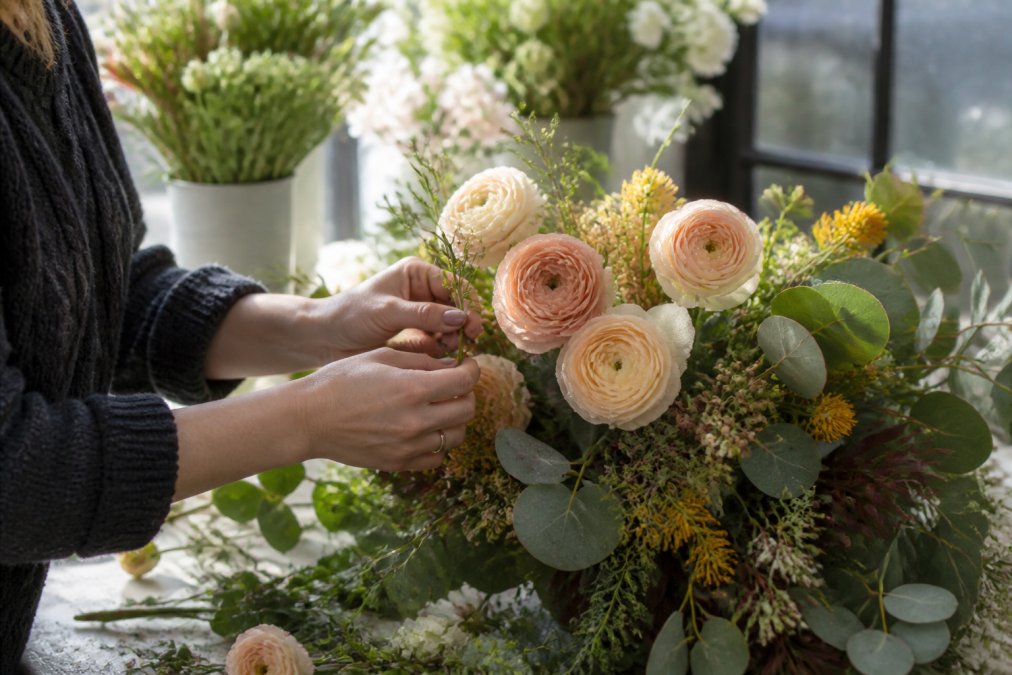
Sourcing Locally Grown and Farm-to-Vase Florals
Farm-to-vase floral sourcing mirrors farm-to-table food: flowers travel minimal distance from grower to arrangement, arriving fresher with transparent supply chains. This reduces transport emissions, supports local growers, and creates a direct relationship between your celebration and the land where your flowers grew.
Victoria's growing number of cut-flower growers specialise in wedding markets, prioritising freshness and local varieties. When your florist sources directly from these growers, you're supporting regional agriculture and receiving flowers at peak freshness.
A farm-to-vase model requires flexibility: your florist works with seasonal availability, not global options. If you're set on specific unavailable flowers, farm-to-vase may not align with your vision. My Botanic Life manages this by designing arrangements that celebrate local blooms rather than fighting seasonal constraints.
Locally grown flowers carry lower carbon footprint than air-freighted imports. Some growers practice regenerative agriculture, building soil health and supporting biodiversity. Choosing farm-to-vase florals votes with your budget for these practices.
How to Avoid Floral Foam in Wedding Arrangements
Floral foam is the green or brown brick florists use to anchor stems. It's convenient and affordable but doesn't biodegrade and ends up in landfill after your wedding. Avoiding floral foam is one of the highest-impact changes you can make toward sustainable wedding flowers.
Alternative mechanics work beautifully: kenzans (Japanese flower frogs) secure stems without plastic, wire netting creates a natural grid, bundling techniques eliminate mechanics entirely, and dense greenery supports stems without infrastructure.
The learning curve is real: florists must relearn their craft, which takes longer and requires more skill. The result is arrangements that are just as stunning and structurally sound, without the landfill burden.
For your wedding, explicitly request no floral foam. Ask your florist what alternatives they'll use and how they'll ensure arrangements stay fresh and stable throughout your event. A florist who embraces this request is demonstrating genuine commitment to sustainable wedding flowers. One who resists or charges significantly more for the change may not share your values.
Bespoke Floral Design and Intentional Styling
Bespoke floral design means arrangements created specifically for you, your venue, and your vision rather than pre-designed templates. This intentionality eliminates waste through overproduction and ensures every stem serves a purpose.
Bespoke design accounts for your specific venue dimensions, lighting, and features. A bouquet stunning in photographs may feel overwhelming in an intimate chapel or lost in a barn. Bespoke design creates pieces proportioned for your exact space, so nothing feels out of place or ends up unused.
Intentional styling reduces waste by creating arrangements that can be repurposed: bridal bouquets become table centrepieces, ceremony installations transform into reception decor. Some couples donate arrangements to hospitals, extending their life beyond the wedding day.
The bespoke process involves multiple consultations, reviewing reference images, visiting your venue, and refining designs collaboratively. We build this into every project because rushed decisions lead to misaligned designs that generate waste.
Managing Floral Waste and Carbon Footprint
Floral waste and carbon emissions occur at distinct lifecycle stages. Understanding where they originate helps you make decisions that genuinely reduce environmental impact.
Carbon Footprint: Transport and Growing Conditions
Air freight is the largest carbon cost. Locally grown seasonal blooms eliminate air freight, reducing transport emissions to near zero.
Growing conditions matter equally. Outdoor-grown seasonal flowers carry virtually no heating emissions, reducing your wedding's floral carbon footprint compared to year-round imported alternatives.
When discussing sourcing with your florist, ask three specific questions: (1) Where were these flowers grown? (2) Were they air-freighted or transported by sea/land? (3) Were they grown in heated greenhouses or outdoors? A florist who can answer these questions is tracking their supply chain; one who cannot is likely sourcing from wholesale distributors without visibility into origin.
Floral Waste: Composting and Donation Programs
Without intervention, this ends up in landfill, where it decomposes anaerobically and generates methane, a greenhouse gas 28-34 times more potent than CO₂.
Composting eliminates this entirely: flowers break down in 4-8 weeks in an active compost system, returning nutrients to soil with zero methane emissions. However, composting requires logistics: your venue must have composting facilities, or your florist must collect and transport arrangements to a composting site.
Before booking your venue, ask whether they compost floral waste. If yes, confirm the collection process: will staff separate flowers from other waste, or will your florist need to collect arrangements? If your venue doesn't compost, ask your florist whether they operate a post-wedding collection service. Some florists in the region collect leftover arrangements from events and compost them centrally, this is a genuine sustainability practice worth seeking out.
Alternatively, some couples donate arrangements to hospitals or community centres, extending flower life beyond the wedding day. Coordinate in advance: confirm the facility accepts flowers and arrange collection timing.
Designing to Reduce Waste
The most effective waste reduction happens during design. Bespoke arrangements created specifically for your venue and timeline mean nothing is oversized, undersized, or left unused.
Budgeting for Sustainable Wedding Florals
A persistent misconception is that sustainable wedding flowers always cost significantly more. The reality is more nuanced: some choices reduce costs, others increase them slightly, depending on your priorities and timing.
Where Sustainable Choices Cost Less
Where Sustainable Choices Cost More
Real-World Cost Scenarios
To illustrate, consider two wedding scenarios:
Scenario 1: Spring wedding (September-November), 50 guests, outdoor venue
- Conventional approach: Mixed imported and local flowers, floral foam arrangements, basic design consultation. Estimated cost: AUD $1,800-$2,200.
- Sustainable approach: Seasonal local blooms (ranunculus, tulips, eucalyptus), mechanics-free design, bespoke consultation, waste composting arranged. Estimated cost: AUD $1,600-$2,000.
- Difference: Sustainable option is 5-15% cheaper, primarily because seasonal local flowers cost less than imported alternatives.
Scenario 2: Winter wedding (June-August), 80 guests, indoor venue
- Conventional approach: Imported roses and lilies (out-of-season locally), floral foam, standard design. Estimated cost: AUD $2,800-$3,400.
- Sustainable approach: Seasonal local blooms (hellebores, hypericum, dried grasses), alternative mechanics, bespoke design, post-event donation arranged. Estimated cost: AUD $2,900-$3,500.
- Difference: Sustainable option is 0-5% more expensive, reflecting the additional labour for mechanics-free design and consultation time. However, the couple avoids the carbon footprint of air-freighted winter roses.
Transparency in Pricing
Maximising Value Without Compromising Sustainability
Frequently Asked Questions
What makes wedding flowers sustainable?
Sustainable wedding flowers prioritise locally grown and seasonal blooms, reducing carbon footprint from transport. They avoid floral foam, use compostable or reusable mechanics, source from ethical growers, and incorporate dried or everlasting flowers where appropriate. Bespoke design minimises waste by matching arrangements precisely to your venue and vision, and flowers are sourced through farm-to-vase relationships that support local horticulture.
How can I reduce floral waste at my wedding?
Plan arrangements that use every stem by incorporating foliage, dried pampas, and organic textures that extend lifespan. Avoid floral foam and choose water-based mechanics instead. Work with a florist who can repurpose leftover blooms for guest arrangements or donate them post-event. Consider dried flowers or everlasting arrangements that guests can take home, and compost floral waste rather than sending it to landfill.
Are there eco-friendly florists in the Yarra Valley?
Yes. Look for florists who specialise in bespoke design with a background in horticulture and sustainable sourcing practices. The best eco-conscious florists work directly with local growers, understand seasonal availability, and design with intentional practices that reduce waste. They should be transparent about their sourcing, willing to discuss alternatives to floral foam, and able to create curated designs that reflect your personal style whilst respecting environmental impact.
Do sustainable florists use floral foam?
Many sustainable florists avoid floral foam entirely because it's non-recyclable, sheds microplastics, and damages waterways. Instead, they use water-absorbing mechanics like chicken wire, pin holders, or floral clay; build structures with natural stems and branches; or design hand-tied bunches that require no mechanics. These alternatives allow for organic textures and whimsical movement whilst eliminating toxic waste from your wedding.