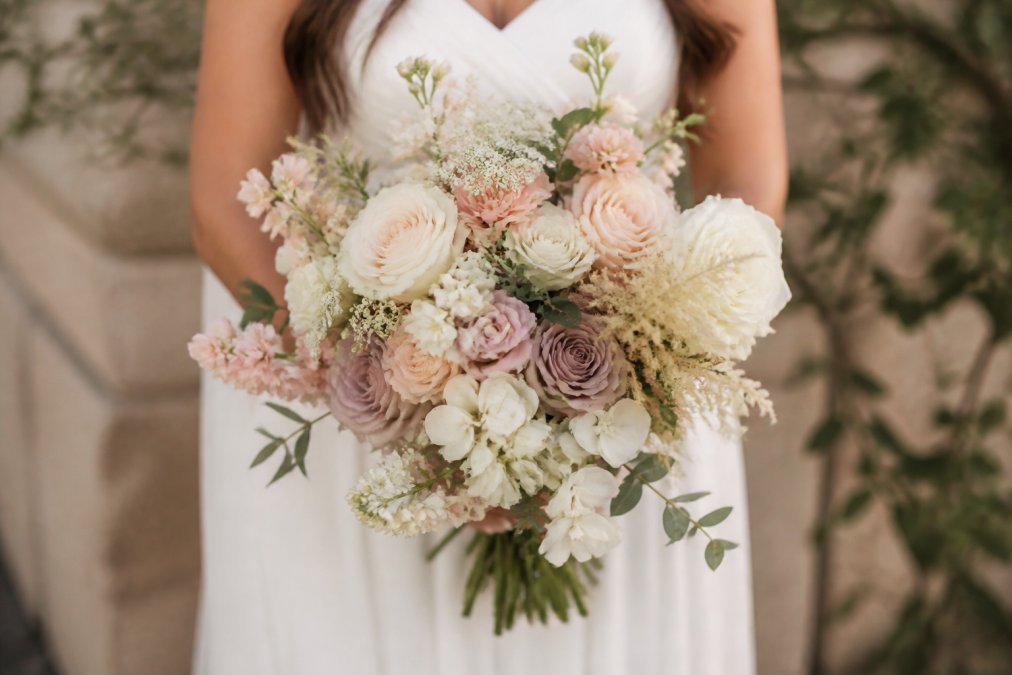
 ultimate-guide
Wedding Bouquet Melbourne: A 2026 Guide to Bridal Flowers
Table of Contents
- Bridal Bouquet Styles: Posy, Cascading, Sheaf and More
- Seasonal Wedding Flowers: What's Blooming When You Marry
- The Average Cost of Wedding Flowers and What Changes It
- Bridal Party Flowers, Buttonholes and Accessories
- Floral Symbolism, Scent and Sustainable Sourcing
- Your Planning Timeline and Floral Consultation
- Caring for Your Wedding Bouquet Before and After the Day
- Frequently Asked Questions
Last Updated: September 22, 2026
Bridal Bouquet Styles: Posy, Cascading, Sheaf and More
Choosing a wedding bouquet is one of the most personal decisions of your planning process. A wedding bouquet is a curated arrangement of fresh stems carried by the bride, designed to complement her gown, the venue, and the overall mood of the day. The style you choose shapes everything from photographs to how you hold yourself walking down the aisle.
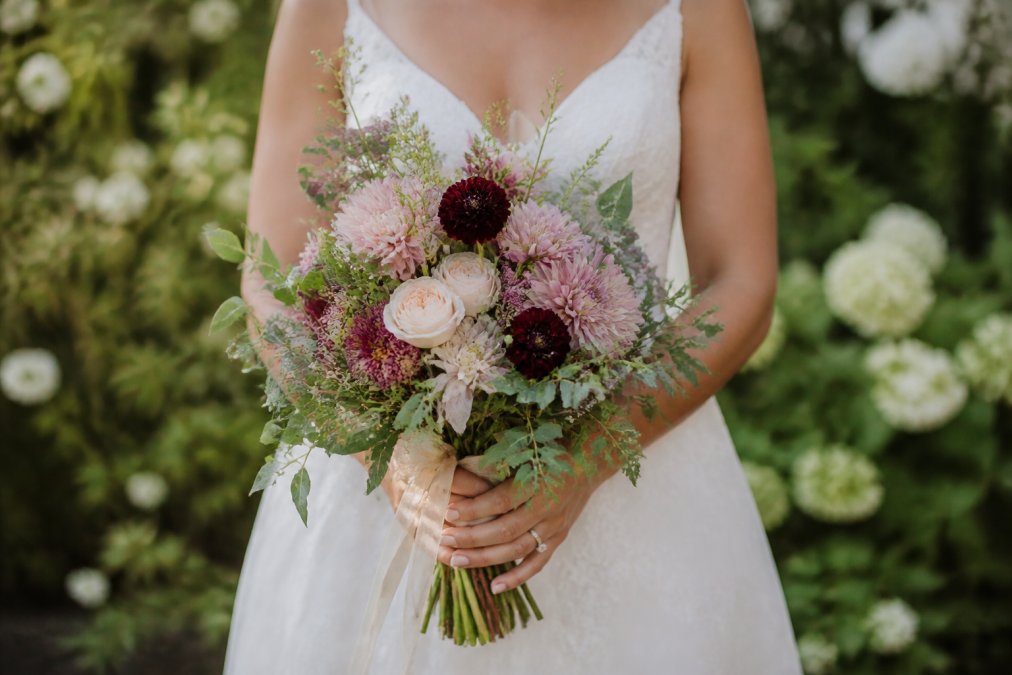
Round Posy and Nosegay
The round posy is the most requested bridal bouquet style, and for good reason. Its compact, dome shape suits almost every gown silhouette, from ballgowns to slips. A nosegay is the smaller cousin, traditionally under 25cm across, ideal for petite brides or intimate elopements.
Cascading and Teardrop
Cascading bouquets trail downward in a teardrop shape, and they photograph beautifully in tall venue spaces. They demand more stems and more construction time, which is why a wedding bouquet in this style typically sits at the higher end of any floral package.
Sheaf, Composite and Hand-Tied
A sheaf bouquet gathers long stems in one direction, giving a relaxed, garden-gathered look. Composite bouquets are built from individual petals wired together to look like one giant bloom. Hand-tied designs remain the most versatile, and a hand-tied bouquet works across nearly every wedding aesthetic.
Style | Shape | Best For | Stem Count |
|---|---|---|---|
Round posy | Compact dome | Most gowns | 15-25 |
Nosegay | Small dome | Elopements | 8-12 |
Cascading | Teardrop trail | Tall venues | 30-50 |
Sheaf | Linear gather | Garden themes | 20-30 |
Composite | Single bloom illusion | Statement looks | Varies |
Seasonal Wedding Flowers: What's Blooming When You Marry
Seasonal wedding flowers are blooms grown and harvested in their natural window, which means better quality, better scent, and more predictable pricing. Many couples find that working with what is actually blooming delivers a fresher result than forcing out-of-season imports.
Spring brings ranunculus, sweet peas, and peonies. Summer offers dahlias, roses, and hydrangeas at their peak. Autumn delivers dahlias, chrysanthemums, and textural seed pods. Winter leans on amaryllis, hellebores, and evergreen foliage.
The Average Cost of Wedding Flowers and What Changes It
The average cost of wedding flowers depends on stem count, bloom variety, season, and construction complexity, not on a fixed rate card. A simple bridal bouquet costs far less than a full wedding range covering the bridal party, ceremony arch, and reception tables. A simple bridal bouquet costs far less than a full wedding range covering the bridal party, ceremony arch, and reception tables.
Rather than publish figures that will not match your venue or date, My Botanic Life provides a personalised quote after your consultation. What we can do is explain exactly what moves the number, so you can see where your budget is going before you commit:
- Stem count and bloom rarity. A 15-stem posy and a 50-stem cascading bouquet use very different volumes of product. Rare or out-of-season blooms can multiply the per-stem cost several times over.
- Imported versus locally grown fresh stems. Imported blooms carry air freight, cold-chain, and quarantine costs. Locally grown seasonal stems avoid those layers and are usually the better value when they are at peak.
- Construction complexity. Cascading and composite bouquets take significantly more design time than a hand-tied posy, because each stem is wired, taped, and positioned individually.
- Delivery distance and setup time. A single bouquet delivered to a home is a different job from a full venue install with an arch, aisle markers, and table arrangements that need to be placed and checked on the morning.
- Number of bridal party flowers and buttonholes. Each additional bouquet, buttonhole, wrist corsage, or floral crown adds both product and labour.
- Peak-date surcharges. Valentine's Day, Mother's Day, and the busiest spring and autumn wedding weekends carry higher wholesale prices because demand outstrips supply.
A useful way to think about it is cost per stem, not cost per arrangement. That conversation is far more productive than comparing package prices between studios, because no two packages contain the same blooms.
Fresh Stems Versus Silk Florals
Fresh florals offer scent, movement, and photograph beautifully in natural light. Silk florals last indefinitely and suit destination weddings where heat or travel is a concern. There is no universal winner, but most couples who want a wedding bouquet that feels alive choose fresh stems and accept the shorter lifespan. A practical middle path is to use fresh stems for the bridal bouquet and buttonholes, the pieces that appear in close-up photographs, and silk or dried elements for large installation pieces where the camera never gets close enough to tell the difference.
Bridal Party Flowers, Buttonholes and Accessories
Bridal party flowers should echo the bridal bouquet without competing with it. A common approach is to scale down the same palette and textures so the group reads as one cohesive floral styling rather than five unrelated arrangements. A common approach is to scale down the same palette and textures so the group reads as one cohesive floral styling rather than five unrelated arrangements.
Buttonholes, also called boutonnieres, are small wired arrangements pinned to a lapel. They need to survive hugging, dancing, and hours of wear, so construction matters more than size.
Sizing and Counts at a Glance
Piece | Typical Size | Notes |
|---|---|---|
Bridesmaid bouquet | Two-thirds of bridal bouquet | Same palette, fewer hero blooms |
Flower girl posy | 10-15cm across | Light enough for a child to carry for hours |
Buttonhole | 5-8cm | One hero bloom plus a small foliage sprig |
Wrist corsage | 8-10cm | Elastic or ribbon band, wired to sit flat |
Floral crown | Fits head circumference | Lightweight base, wired blooms |
Hair comb | 8-12cm | Flat-backed, pinned securely |
A Note on Preservation for the Whole Party
Bouquet preservation is not just for the bride. Bridesmaids often want to keep a single stem or a small posy pressed or dried, and buttonholes can be preserved in resin as a keepsake for parents or grandparents. If preservation is part of your plan, tell your florist before the wedding, because some blooms dry and press far better than others, roses and ranunculus hold colour well, while lilies and orchids tend to brown.
Floral Symbolism, Scent and Sustainable Sourcing
Floral symbolism adds a layer of meaning that photographs cannot capture. Roses signal love, rosemary signals remembrance, and lavender signals calm. Aromatherapy-trained designers build scent into the bouquet deliberately.
Your Planning Timeline and Floral Consultation
Most couples book their florist six to twelve months before the wedding, and the floral consultation is where the design actually takes shape. A good consultation covers your venue, gown, palette, budget, and the feeling you want guests to walk into.
Here is the timeline My Botanic Life works to:
- 12 months out: Book your florist and lock the date
- 6 months out: Mood board, palette, and style direction confirmed
- 3 months out: Final stem list and quantities agreed
- 6 weeks out: Numbers confirmed, buttonhole count finalised
- 1 week out: Final walkthrough and delivery logistics confirmed
Caring for Your Wedding Bouquet Before and After the Day
A wedding bouquet needs cool storage, a water source, and minimal handling in the 24 hours before the ceremony. Keep it out of direct sun and away from heaters, and do not leave it in a hot car between the florist and the venue.
Frequently Asked Questions
How much should I budget for a wedding bouquet?
There is no single figure, because a wedding bouquet is priced on stem count, flower variety, season and how intricate the design is. A compact posy of locally grown seasonal blooms sits at the lower end, while a large cascading bouquet built from imported or out-of-season stems costs considerably more. Ask for a written quote that separates the bridal bouquet from the rest of your wedding range, so you can see exactly what each element adds.
When should I book my wedding florist?
Start the conversation six to twelve months before your date, and lock in your florist once you have your venue confirmed. Popular dates and peak spring and autumn weekends fill early, so booking ahead protects your first choice. A floral consultation at that stage lets you talk through bridal bouquet styles, seasonal wedding flowers and budget before anything is ordered, and gives you time to adjust the design as your plans firm up.
What is the difference between a posy and a cascading bouquet?
A posy is a round, compact bouquet that sits neatly in the hands and suits almost any gown, which is why it remains one of the most popular bridal bouquet styles. A cascading bouquet is longer and looser, with flowers and foliage trailing downward. Cascading designs use more stems and take longer to build, so they usually cost more, and they work best with a simple dress silhouette that lets the shape stand out.
Should my bouquet match my bridesmaids' flowers?
They should relate to each other rather than match exactly. A common approach is to give the bride a larger, more detailed bouquet and the bridal party flowers a simplified version using the same seasonal blooms and colour palette. That keeps wedding photographs cohesive without making everyone look identical. Buttonholes and corsages for the wider wedding party can pick up one accent flower from your bouquet to tie the whole group together.