 listicle
Are Custom Floral Designers Worth the Investment?
Last Updated: November 2, 2026
Quick Summary
A custom floral designer manages your entire flower story, from the first design consultation through to pack-down after the reception. Unlike a florist who fills orders from a set range, a designer builds bespoke arrangements around your palette, venue and timeline.
- A florist typically sells from a set range, while a designer starts with your brief and builds bespoke work.
- Ask for a portfolio showing full events, not just bouquets, and the story behind one wedding.
- Compare quotes line by line, since a lower total often excludes installation or consultation time.
- Premium or out-of-season stems can cost several times more than seasonal, locally grown blooms.
- Book early, since peak wedding seasons have the best choice of flowers and dates.
Table of Contents
- What a Custom Floral Designer Actually Does
- Florist Versus Floral Designer: Where the Difference Lies
- Bespoke Design That Reflects Your Vision and Venue
- How to Prepare for a Wedding Flower Consultation
- Questions to Ask a Wedding Florist Before You Book
- Understanding the Wedding Flower Budget and Pricing Value
- Booking Your Custom Floral Designer for Your Big Day
- Frequently Asked Questions
What a Custom Floral Designer Actually Does
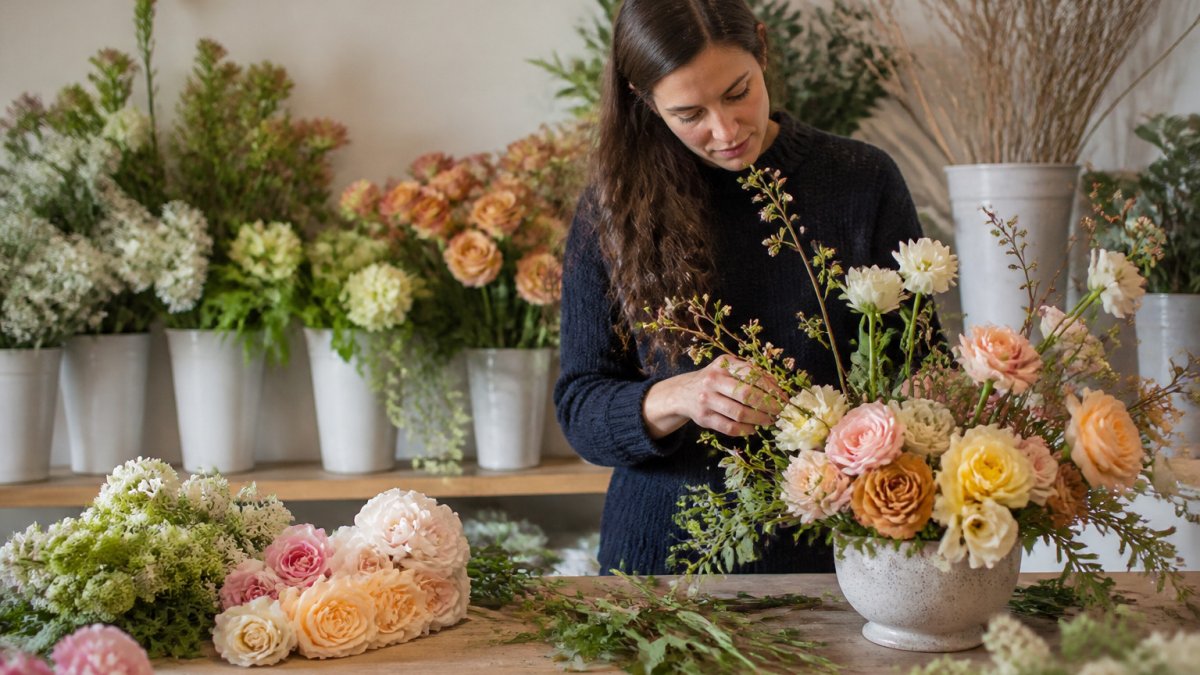
Ask most couples what a floral designer does and they will say "makes the bouquet." That is only the start. A custom floral designer manages the entire flower story for your wedding, from the first design conversation through to the moment the arrangements are cleared away after the reception. Consultations are used to learn how you think about colour, texture and mood, so an arrangement plan can be built around your venue and timeline.
Good designers also make practical decisions you may never see, such as checking flower availability for your season and planning how each piece will be installed and collected.
Florist Versus Floral Designer: Where the Difference Lies
The words are often used interchangeably, but they describe different levels of service. A florist typically sells arrangements from a set range, while a floral designer starts with your brief and builds something bespoke.
The distinction matters most for weddings and events, where the flowers need to suit a specific space and a specific mood. Ask yourself whether you want someone to fill an order or someone to design a scene. If you want the second, you are looking for a designer.
Bespoke Design That Reflects Your Vision and Venue
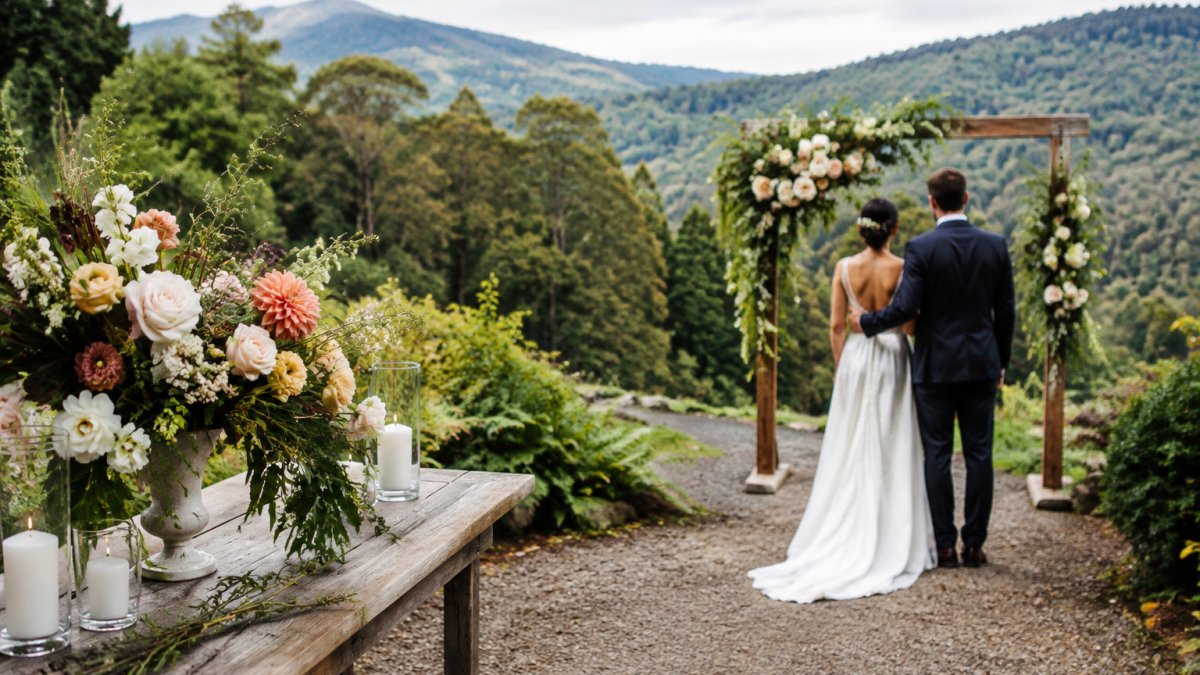
Bespoke design means every element is chosen for you. The palette, the stem selection and the style of each arrangement should reflect how you want the day to feel. A soft, romantic garden look and a sharp, modern monochrome look call for very different flowers, even if the budget is the same.
Venue matters just as much, since the setting changes how colour reads and how much height an arrangement needs.
How to Prepare for a Wedding Flower Consultation
A consultation works best when you arrive with clear priorities, even if you are unsure of the details. To see what the consultation itself involves, step by step, read the full guide. Start by gathering reference images, noting the colours you keep returning to, and listing any flowers you love or want to avoid. Many couples find a simple mood board helps them describe a feeling far better than a list of names. For practical tips on describing your floral vision clearly, see this guide.

Bring your venue details, your date and your rough guest count. Share your budget range if you have one, because it shapes which flowers are realistic. Above all, be honest about what you do not like. That information is often more useful than what you do.
Questions to Ask a Wedding Florist Before You Book
Choosing a designer is a working relationship that runs for months, so treat the shortlisting process like hiring a collaborator rather than ordering a product. For a fuller guide on how to choose a bespoke wedding florist, see how to choose a bespoke wedding florist. A structured set of questions will separate designers who can deliver from those who merely talk a good game.
Portfolio criteria, what to actually look for
- Look for a portfolio that shows full events, not just bouquets. You want to see ceremony setups, reception tables and installations in real venues.
- Check whether the work was designed for the venue or dropped in. Ask for the story behind one wedding: what the brief was, what the constraints were and how the design responded.
- Look for range. A designer who can move between a soft garden palette and a sharp architectural look is more likely to interpret your vision rather than repeat their own.
- Ask for references or recent couples you can speak to, and ask specifically how the designer handled a problem on the day.
Process questions
- How many consultations are included, and are they in person or remote?
- Will you visit the venue, or work from photos and a site plan?
- Who designs the arrangements, and who installs them on the day?
- What is the timeline from booking to final confirmation of stems?
- How do you handle substitutions if a flower is unavailable close to the date?
- What is your policy on breakage, weather and venue access restrictions?
Contract and commercial details
- Is the quote fixed or an estimate, and what triggers a variation?
- What is the deposit, when is the balance due, and what is the cancellation and postponement policy?
- Does the contract specify delivery times, installation windows and pack-down, and who is responsible for each?
- Is public liability insurance held, and can a certificate be provided to the venue if required (Types of business insurance)?
- Who owns the arrangements after the event, and is hire of stands, arches or vessels included or charged separately?
How to compare designers
Shortlist two or three designers, ask each the same questions, and score the answers against your priorities. The right designer should feel like a collaborator, answer specifics without hedging, and be transparent about what is and is not included. If you are ready to start, get in touch with Nicole to talk through your wedding and request a quote.
Understanding the Wedding Flower Budget and Pricing Value
Most custom floral quotes are not a single number, they are a stack of decisions, and understanding what drives each one is the fastest way to get more flowers for the money you have. You can also learn how to plan a floral budget for weddings from start to finish. A useful way to think about it is that your budget is split across four cost drivers: the stems themselves, the labour to design and construct each piece, the logistics of delivery and installation, and the contingency built in for substitutions and breakage.
What actually moves the price
- Stem choice. A design built on premium, out-of-season or imported blooms can cost several times more than the same silhouette built on seasonal, locally grown stems. The shape of the arrangement barely changes; the price does.
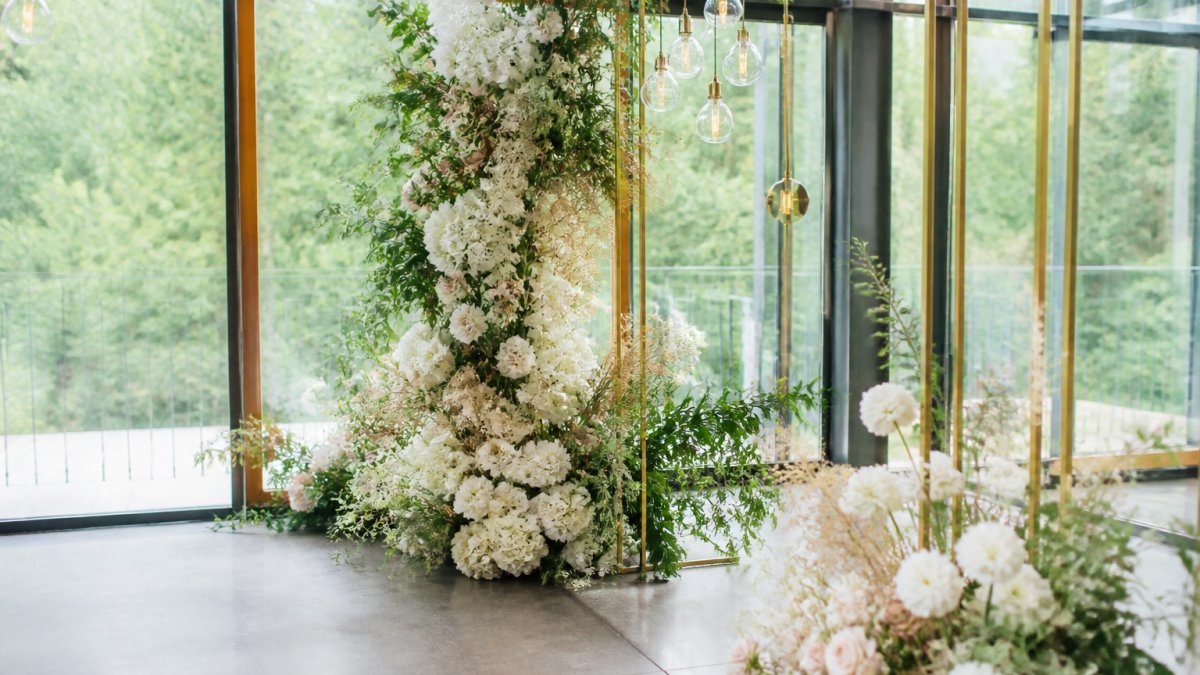
- Quantity and scale. A long tablescape, a hanging installation or a ceremony arch uses far more product and labour than the same budget spent on clustered centrepieces. Height and volume are expensive; density at table level is usually cheaper per impact.
- Complexity of construction. Foam-free mechanics, wired wearable pieces and suspended installations take more design hours than a vase arrangement. Ask how many labour hours a quote assumes.
- Date and season. Peak-season Saturdays carry higher stem costs and tighter availability than a midweek or off-season date. If your date is flexible, moving it even a few weeks can change the quote materially.
- Delivery, installation and pack-down. These are real costs and are frequently the line item that separates two quotes that look similar on paper.
How to split a working budget
Many couples find it helpful to decide which moments matter most, such as the ceremony, the reception or the bridal party, and direct the budget accordingly. If you are prioritising, spend where guests and cameras linger: the ceremony backdrop, the entry arrangement and the head table usually deliver more perceived value than scattered small pieces.
How to compare quotes fairly
Ask every designer for an itemised quote that separates stems, labour, delivery, installation and pack-down. A lower headline figure often excludes installation or consultation time, which can make the true total higher than a quote that looked more expensive. Also ask what the substitution policy is and whether the quote is fixed or an estimate, a fixed quote protects you if stem prices move between booking and the wedding.
Pricing depends on quantity, dates and delivery, so request a quote from My Botanic Life for current costs. For a quote tailored to your date, venue and priorities, contact My Botanic Life directly.
The main cost drivers behind a custom floral quote are summarised below.
| Cost driver | Why it matters | Budget tip |
|---|---|---|
| Stem choice | Premium or out-of-season blooms cost several times more | Choose seasonal, locally grown stems |
| Quantity and scale | Height and volume are expensive | Density at table level is usually cheaper per impact |
| Complexity of construction | Wired and suspended pieces take more design hours | Ask how many labour hours a quote assumes |
| Date and season | Peak-season Saturdays carry higher costs | A flexible date can change the quote materially |
| Delivery and installation | Often the line item that separates similar quotes | Check whether pack-down is included |
Booking Your Custom Floral Designer for Your Big Day
Booking early gives the best choice of flowers and dates, particularly for peak wedding seasons. Once you have shortlisted designers, book a consultation, bring your inspiration, and compare how each one listens and responds to your ideas. The right designer should feel like a collaborator, not just a supplier.
My Botanic Life works closely with couples to shape the flowers around their style and setting, offering a stress-free and collaborative design process. If you are ready to start, get in touch with Nicole to talk through your wedding and request a quote.
Frequently Asked Questions
What does a custom floral designer do for a wedding?
A custom floral designer works from your vision, venue and palette to create arrangements that suit your event rather than a standard catalogue. They typically handle the design consultation, select flowers based on seasonal availability, plan the arrangements for ceremony, reception and table settings, and coordinate delivery and installation. Because the designer also understands horticulture and floral technique, they can advise on which blooms will hold up in the heat or the conditions of your chosen location. Pricing varies with quantity, dates and delivery, so request a quote from My Botanic Life for current costs.
How is a floral designer different from a florist?
A florist typically fulfils orders from a set range of arrangements, while a floral designer focuses on creating original work shaped around your event. The designer leads a consultation, develops a concept, and adjusts the style, colour palette and structure to match your venue. Many florists do custom work too, so ask to see examples of bespoke events they have delivered. The distinction matters most when your flowers need to carry a specific theme or atmosphere across a whole venue.
When should I book a wedding floral designer?
Book as early as your venue and date are confirmed, since popular seasonal flowers and experienced designers can be booked months ahead. An early booking gives time for a thorough consultation, colour and style decisions, and any sourcing of less common blooms. For destination weddings, reach out even earlier so remote planning and delivery logistics can be settled before your travel dates.
How do floral designers work within a wedding budget?
A good designer will start by asking what your budget covers and where you want to place emphasis, such as a statement ceremony arch, bridal bouquets or table arrangements. They can then suggest seasonal and locally available flowers, reuse designs across multiple spaces, and prioritise the pieces that make the biggest visual impact. Being upfront about your budget at the start keeps the design process focused and avoids unnecessary revisions.