 comparison
Bespoke Floral Designer vs Regular Florist
Table of Contents
- What Sets a Bespoke Floral Designer Apart
- Understanding the Wedding Floral Design Process
- Bespoke Floral Arrangements vs Standard Options
- Hiring a Wedding Florist Checklist
- Average Cost of Wedding Flowers and What Influences Pricing
- Sustainability and Supply Chain Transparency
- Why Bespoke Design Matters for Your Vision
- Frequently Asked Questions
Last Updated: September 28, 2026
What Sets a Bespoke Floral Designer Apart
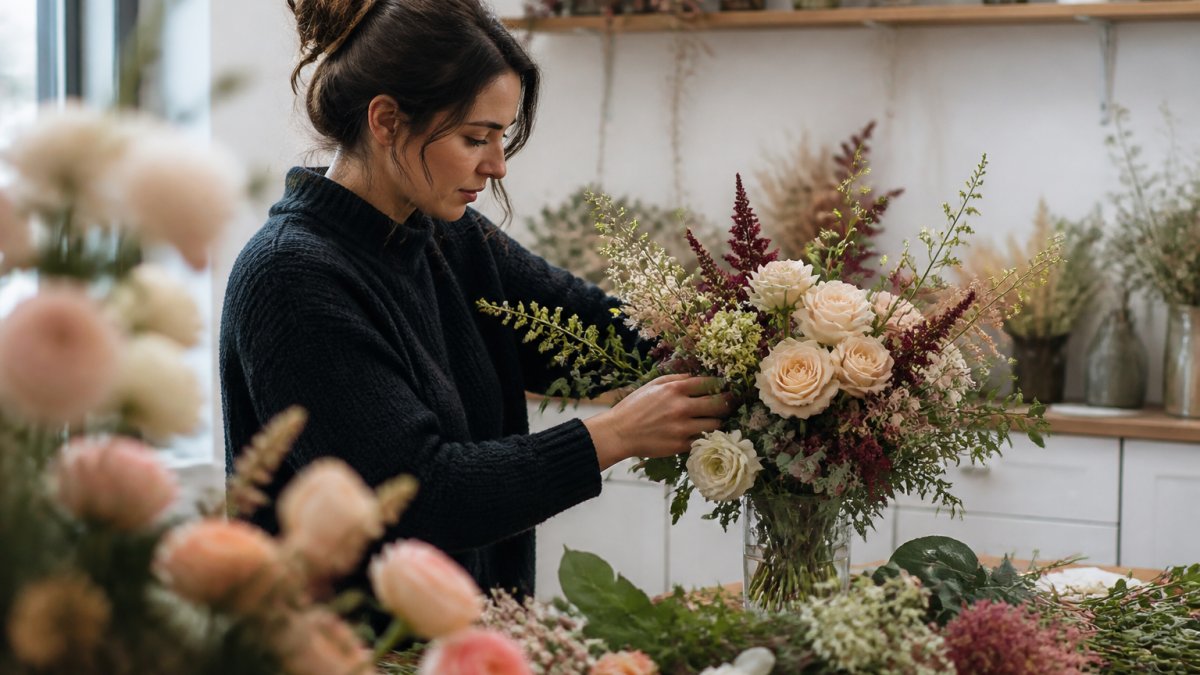
A bespoke floral designer creates custom arrangements tailored entirely to your vision, budget, and venue. Unlike a regular florist who works from existing templates or standard packages, a bespoke designer collaborates deeply with you to craft something uniquely yours. At My Botanic Life, we specialise in this personalised approach, working with couples to understand not just what flowers you want, but why those blooms matter to your story.
The core difference isn't just aesthetic. When you work with a bespoke floral designer, you're investing in a process. A regular florist may offer beautiful work, but typically within predetermined options. A bespoke designer starts from scratch: understanding your colour palette, your venue's architecture, your emotional tone, and even the aromatherapy qualities of the blooms themselves. This consultation-first model means your flowers aren't an afterthought, they're a central element of your celebration.
The real distinction comes down to customisation depth. A bespoke designer sources specialty and seasonal flowers specifically for your event. They consider logistics, installation complexity, and how arrangements will photograph. They adapt if your venue changes or your vision evolves. A regular florist typically works with what's readily available and delivers pre-designed arrangements with limited modification.
Understanding the Wedding Floral Design Process
The wedding floral design process begins with a detailed consultation where your designer listens far more than they talk. This is where a bespoke approach differs fundamentally from ordering off a menu. Your designer asks about your vision, your colour preferences, the feeling you want guests to experience, and practical details like your venue's layout and lighting.
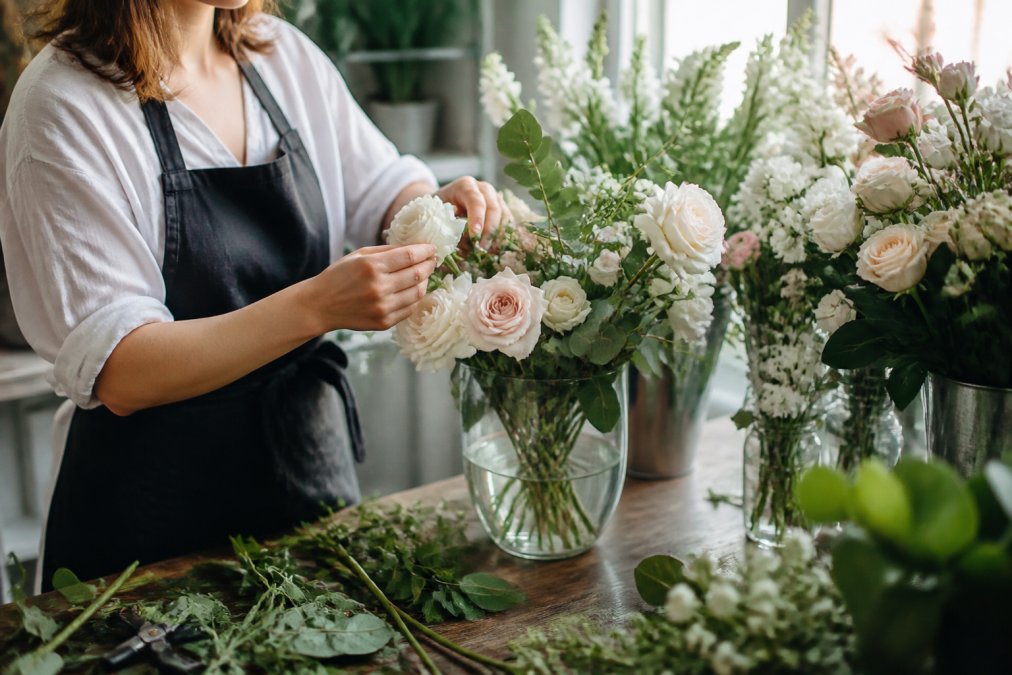
After the initial conversation, the designer develops a detailed proposal. This includes specific flower varieties, stem counts, colour combinations, and placement throughout your venue. They'll discuss seasonal availability, what's at its peak in your wedding month and what requires special sourcing. They'll also explain the floral mechanics: how arrangements will be constructed to last through your event, how they'll be transported, and how they'll be installed.
A critical part of the process is the site visit or detailed venue consultation. For destination weddings or remote clients, this often happens virtually. The designer assesses lighting, space dimensions, architectural features, and existing decor. They determine where arrangements will have the most impact and consider sightlines for photography. This step prevents the common mistake of designing beautiful flowers that don't actually suit the space.
Finally, there's the execution phase. Your designer sources the flowers, often from multiple suppliers to ensure quality and seasonal authenticity. They manage the timeline, when flowers arrive, when they're arranged, when they're installed. They're present on your wedding day to oversee setup and make real-time adjustments if needed.
Bespoke Floral Arrangements vs Standard Options
Bespoke floral arrangements are custom-designed specifically for your wedding. Standard options are pre-designed packages where you choose from set styles, colours, and sizes. The difference affects everything: cost, flexibility, uniqueness, and how well the flowers actually suit your celebration.
With standard packages, you might choose "Romantic Garden" or "Modern Minimal" and select from a limited colour palette. You get beautiful flowers, but they're designed for a generic couple, not you. Your bouquet looks similar to dozens of others the florist has created. Bespoke arrangements, by contrast, are designed once, for your wedding only.
Bespoke design offers flexibility that standard packages cannot. Your designer can incorporate family flowers if you want them. They can work around specific allergies or preferences. They can adjust quantities based on your actual budget rather than forcing you into a predetermined package size. If your venue changes two months before the wedding, a bespoke designer adapts the design. A standard florist typically cannot.
The sourcing difference is equally important. Standard florists work with what's reliably available year-round: roses, carnations, hypericum, filler greens. A bespoke designer sources seasonal blooms at their peak. In spring, that's ranunculus and sweet peas. In summer, garden roses and dahlias. In autumn, celosia and amaranthus. These seasonal choices look more vibrant and feel more authentic to the time of year.
| Aspect | Bespoke Arrangements | Standard Packages |
|---|---|---|
| Design customisation | Fully tailored to your vision | Pre-set styles with limited options |
| Flower variety | Seasonal and specialty blooms sourced specifically | Year-round reliable varieties |
| Flexibility | Adapts to budget, venue, timeline changes | Fixed package structure |
| Uniqueness | One-of-a-kind design for your wedding | Similar to other clients' arrangements |
| Consultation depth | Multiple touchpoints, detailed collaboration | Brief order-taking process |
| Sourcing | Multiple suppliers for peak-quality blooms | Primary supplier relationships |
Hiring a Wedding Florist Checklist
Choosing between a bespoke floral designer and a regular florist requires asking the right questions. Here's what matters:
Portfolio and style alignment
- Review their past work. Do you see your aesthetic in their designs?
- Look for weddings similar in scale, venue type, or colour palette to yours
- Ask whether they have examples of bespoke vs. standard work
Design process and collaboration
- How many consultation meetings are included?
- Do they visit your venue or conduct virtual consultations?
- Will they adapt the design if your vision changes closer to the date?
- How do they handle feedback during the design phase?
Sourcing and seasonal knowledge
- Where do they source flowers from?
- Can they work with seasonal availability or do they import year-round?
- Do they have relationships with local growers or specialty suppliers?
- How do they ensure bloom quality and longevity?
Logistics and installation
- Who handles setup and installation on the day?
- What's included in their service, just arrangements, or full venue styling?
- How do they transport flowers to your venue?
- What's their contingency plan if something goes wrong?
Communication and accessibility
- Are they easy to reach during the planning phase?
- How do they communicate, email, phone, video calls?
- For destination weddings, how do they manage the remote process?
- What's their response time for questions?
Experience with your specific needs
- Have they worked with your venue before?
- Do they have experience with destination weddings if that's your situation?
- Have they worked with couples who share your priorities, sustainability, specific aesthetic, budget constraints?
Average Cost of Wedding Flowers and What Influences Pricing
Wedding floral costs vary significantly based on several factors. Rather than quoting a specific range, understand what drives pricing so you can have informed conversations with your designer.
Factors that influence floral costs:
Flower variety and seasonality matter enormously.
Sustainability and Supply Chain Transparency
An increasingly important consideration is where your flowers actually come from and how they're grown. Many couples want arrangements that reflect their environmental values, not just their aesthetic preferences.
Why Bespoke Design Matters for Your Vision
Ultimately, choosing a bespoke floral designer versus a regular florist comes down to how much your flowers matter to your wedding story. If florals are simply decoration, a standard package works fine. If flowers are central to how you want your celebration to feel and look, bespoke design is the right choice.
Frequently Asked Questions
What is the actual difference between a bespoke floral designer and a regular florist?
A bespoke floral designer creates custom arrangements tailored entirely to your vision, working through a detailed consultation process to understand your aesthetic, venue, and emotional goals. They treat each wedding as a unique design project. A regular florist typically offers pre-designed arrangements or standard packages with limited customisation. Bespoke designers invest time in understanding your colour palette, preferred flower varieties, and the specific atmosphere you want to create, whereas standard florists work from established templates and available stock.
Is a bespoke floral designer worth the investment for a wedding?
That depends on how important personalisation and design detail are to your celebration. If you have a specific aesthetic vision, want arrangements that reflect your personality, or are planning a destination wedding that requires careful planning, a bespoke designer adds significant value through their consultation, customisation, and professional floral artistry. If you're comfortable with standard arrangements and prefer a simpler process, a regular florist may be sufficient. The difference lies in the depth of collaboration and the uniqueness of the final result.
How should I evaluate a florist's sustainability practices when sourcing flowers?
Ask direct questions about where they source their blooms, whether they work with local growers or wholesale suppliers, and what their approach is to seasonal availability. Genuine sustainable florists prioritise locally grown or ethically certified flowers, can explain their supply chain, and often use in-season varieties to reduce carbon footprint. Be cautious of claims that sound marketing-focused rather than backed by specific sourcing practices. A reputable designer will happily discuss their relationships with growers and their commitment to eco-conscious choices.
What happens during a professional floral consultation?
A thorough consultation typically covers your wedding vision, preferred colour palettes, aesthetic style (modern, organic, romantic), venue details, guest count, and budget. The designer asks questions to understand your emotional connection to flowers and any must-have blooms. They may discuss seasonal availability, suggest flower varieties suited to your theme, and explore customisation options like stem count and arrangement size. For destination weddings, this process often happens remotely with photos and detailed notes about your venue, ensuring the final design suits your space perfectly.
Choosing the right floral designer shapes how your wedding feels and photographs. If your vision is unique and your celebration matters enough to get florals right, a bespoke designer delivers what a standard florist cannot. Contact My Botanic Life to discuss how we can bring your floral vision to life with a collaborative, personalised design process that transforms your venue into a reflection of your style.