 blog
How to Decorate a Historic Wedding Venue in 7 Ways
Last Updated: October 28, 2026
Quick Summary
Decorate a historic wedding venue by letting its architecture lead, framing original features with flowers and warm lighting, and checking venue rules before you plan. Use soft linens, personal touches on stands rather than walls, and a backup plan for weather.
- Confirm your venue's written decoration policy before buying any décor.
- Place larger arrangements beside the room's two or three best features.
- Test lighting at your actual ceremony and reception times.
- Use bud vases and repeated flower types to create a cohesive look.
- Set personal items on easels or side tables rather than attaching them to walls.
Table of Contents
- 1. Check Wedding Venue Decoration Rules Before You Plan
- 2. Let the Architecture Lead: Historic Wedding Venue Decor Ideas
- 3. Use Lighting to Bring Out Original Features
- 4. Frame Focal Points With Historic Wedding Venue Flowers
- 5. Style Tables and Linens to Suit a Heritage Setting
- 6. Personalise the Space Without Covering Its Features
- 7. Plan Indoor and Outdoor Contingencies for Heritage Venues
- Frequently Asked Questions
Your historic wedding venue already has a personality. The high ceilings, original cornices, timber floors and tall sash windows were there long before your Pinterest board existed. The best decorating plans work with that character instead of fighting it, and that's what this guide covers. My Botanic Life offers personalised floral design for weddings and special events, creating bespoke arrangements that bring colour, warmth and softness to a venue.
Many couples start with a colour scheme or a single image they love. That's a fine place to begin, but a historic room will tell you early on which ideas belong. Walk through the space at the time of day you'll be married and note what the light does, where the features sit, and which surfaces are delicate. Those observations will shape every choice that follows.
Below, we walk through seven practical ways to decorate a historic wedding venue, each with clear steps you can use at your own planning meeting.
1. Check Wedding Venue Decoration Rules Before You Plan
Before you buy a single stem, confirm what your venue allows. Many heritage buildings have strict rules about what can be attached to walls, ceilings and fixtures, and some restrict open flames or heavy staging. Ask your venue coordinator for a written copy of their decoration policy.
Watch out: pinning, taping or hanging anything from original plaster or timber can cause permanent damage and cost you a deposit. Ask first, every time.
Use this quick checklist with your venue:
- Can we hang items from the ceiling or picture rails?
- Are candles, LED candles or open flames permitted?
- What is the load limit for installations on floors and balconies?
- Where can florists and decorators set up and access the space?
- Who removes the decorations, and by what time?
2. Let the Architecture Lead: Historic Wedding Venue Decor Ideas
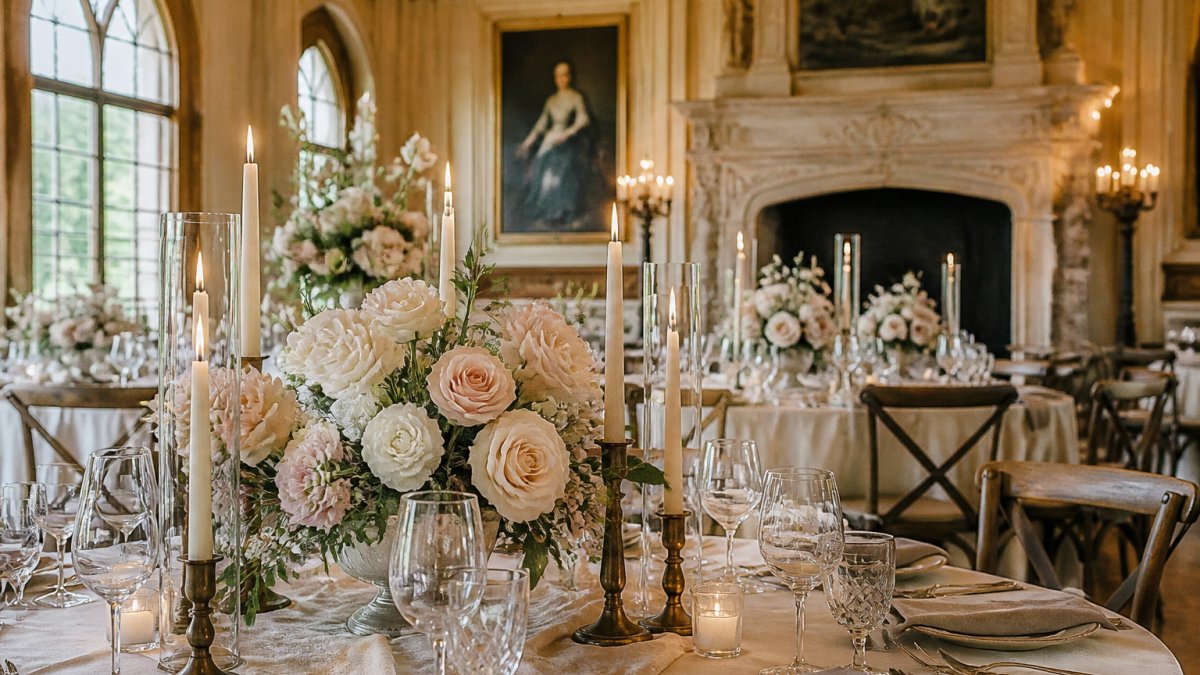
The strongest historic wedding venue decor ideas make the building the star. Instead of covering a fireplace or cornice, frame it. A pair of tall arrangements flanking an original mantel draws the eye without hiding the detail.
Start by listing the three to five features that define the room, such as stained glass, arches, carved joinery or pressed-metal ceilings. Then build the layout around them. Keeping the centre of the room open can help guests see the architecture when they walk in.
How to do it:
- Photograph the room and mark its two or three best features.
- Place larger pieces, like arrangements or lanterns, beside those features.
- Keep low, soft décor around the edges so the room still breathes.
- Step back from the doorway and check the view guests will see first.
3. Use Lighting to Bring Out Original Features
Light changes a historic room more than almost anything else. Warm, low light flatters old timber and plaster, while harsh overhead lighting can make a space feel flat. Lanterns, candles and warm ambient lamps create a glow that suits heritage interiors.
Test lighting at your actual ceremony and reception times. A room that glows at six in the evening can look dull at midday. Mix a few light sources at different heights to create depth.
How to plan your lighting:
- Place uplighting on textured walls to highlight carved or raised details.
- Use candles or LED candles on tables and mantels, following your venue's rules.
- Add lanterns near doorways and entry points to guide guests.
- Dim the house lights during key moments, and check that a dimmer is available.
Lighting changes a historic room more than almost anything else, so here is how the main options compare.
| Light source | Best for | Key point |
|---|---|---|
| Uplighting | Carved or raised wall details | Highlights texture without touching features |
| Candles or LED candles | Tables and mantels | Must follow venue flame rules |
| Lanterns | Doorways and entry points | Guide guests as they arrive |
| Dimmed house lights | Key ceremony moments | Confirm a dimmer is available |
4. Frame Focal Points With Historic Wedding Venue Flowers
Flowers can soften a formal room, but they work best when they frame a focal point rather than compete with it. Choose a few statement pieces for the most important spots, such as the ceremony arch, the altar area or a tall window. Keep the rest of the room's flowers smaller and simpler.
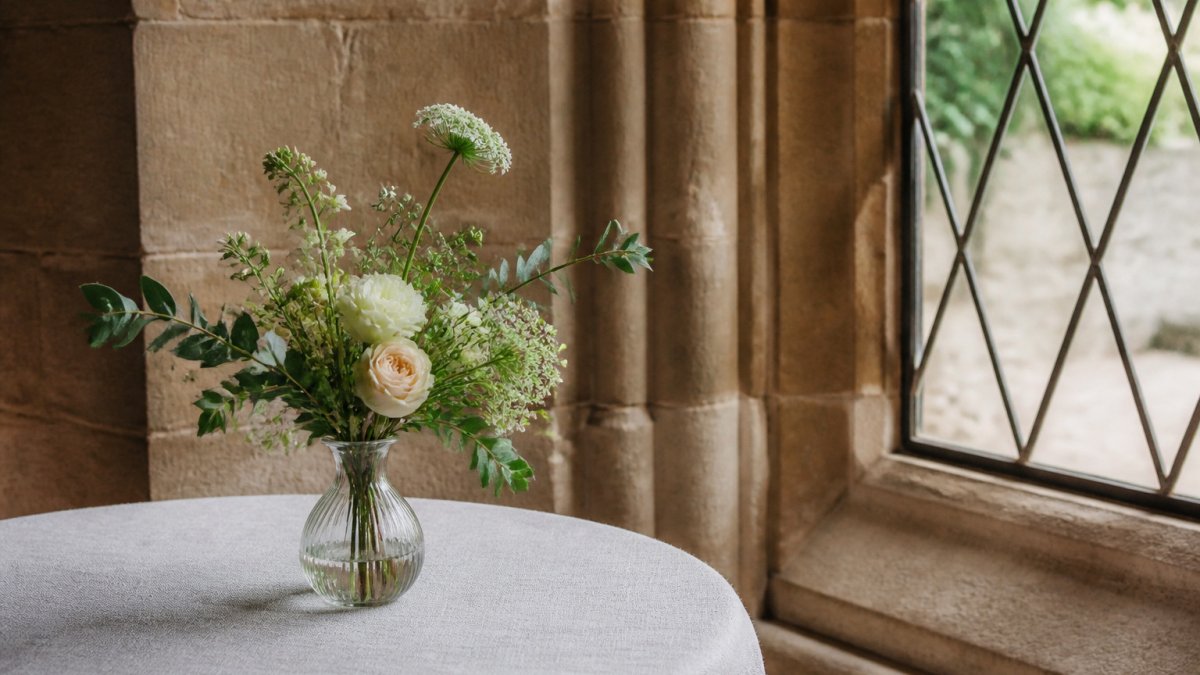
Garden blooms and greenery suit historic settings well because they look natural against stone and timber. Structured designs can work too, particularly in a formal Victorian room where symmetry matters. The room's style can guide the flower style, so a grand hall might suit clean lines while a country homestead suits loose, wildflower-style arrangements.
Keep these points in mind when planning your flowers:
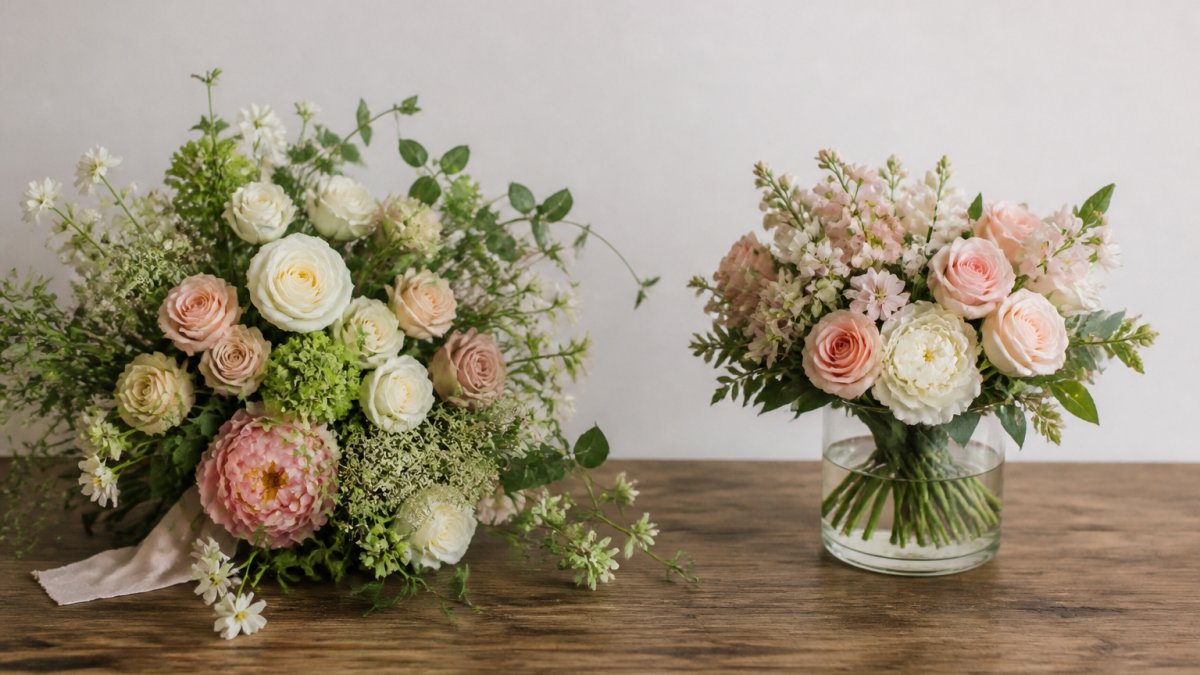
- Use bud vases along a mantel or windowsill for a light, layered look.
- Repeat one or two flower types across the room so the design feels cohesive.
- Keep arrangements low enough that guests can see across the tables.
- Check that water and stems won't damage antique surfaces.
5. Style Tables and Linens to Suit a Heritage Setting
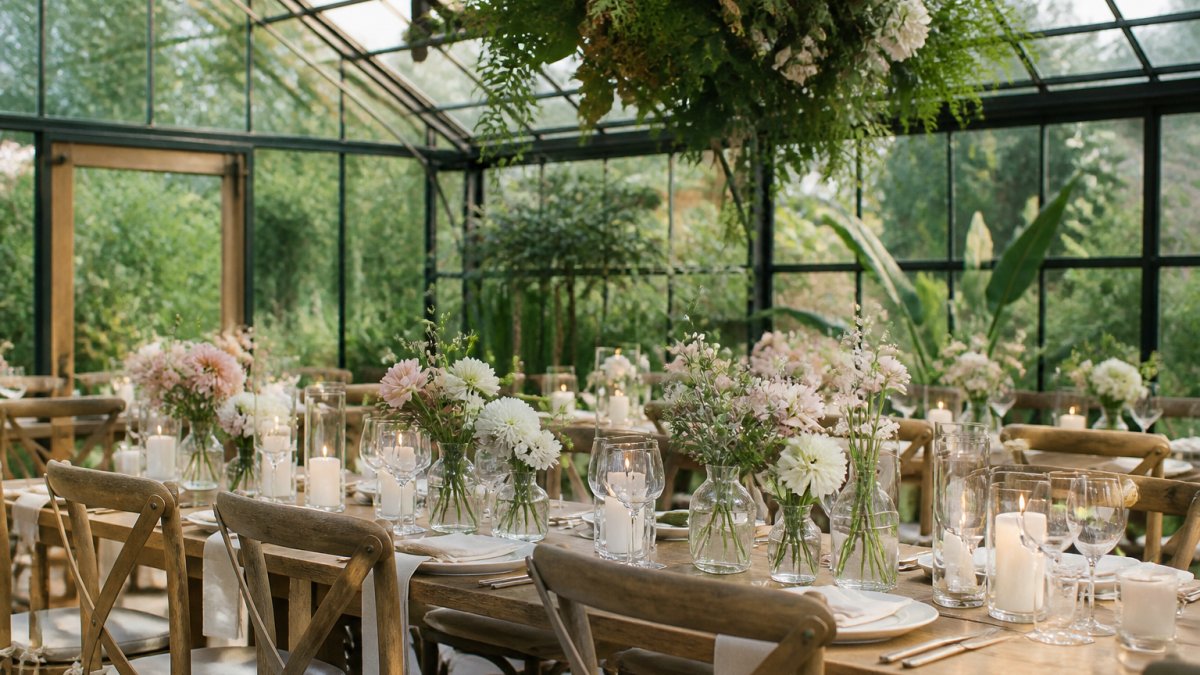
Your reception tables are where guests spend most of their time, so their styling matters. Linens in soft, natural tones often complement old interiors better than bright synthetic fabrics. Textured fabrics such as linen, velvet or lace add depth and suit the period feel.
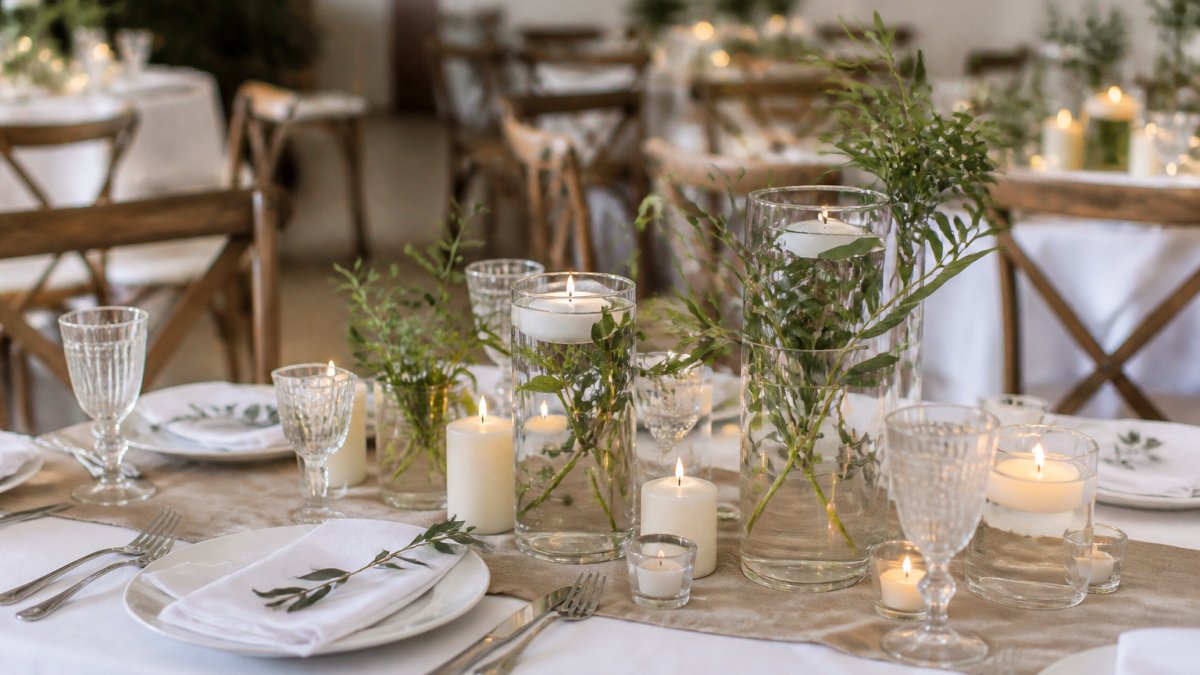
Table runners can tie the look together. A runner in a complementary shade links the tablecloth to the flowers and candles. For centrepieces, keep the height moderate so conversation flows freely.
Consider these table details:
- Choose a colour palette of three to four shades and keep it consistent.
- Mix candle heights for variety, using safe holders.
- Add chair decor, such as ribbon or a single sprig, for a finishing touch.
- Keep serving pieces and cutlery in a style that matches the room's era.
6. Personalise the Space Without Covering Its Features
Personal details help your day feel like yours. Meaningful touches such as family photographs, handwritten notes or a display of heirloom pieces can sit comfortably in a historic room. The trick is placement. Use a side table, an easel or a shelf rather than attaching items to walls or original features.
Keep personal décor edited. A few well-chosen pieces tell your story more clearly than a crowded display.
Ideas that work well include:
- A framed guest book or welcome sign on an easel near the entrance.
- A small display of family keepsakes on a sideboard.
- Personalised place cards set on a tray instead of the table.
- A signature cocktail or dessert station that reflects your tastes.
7. Plan Indoor and Outdoor Contingencies for Heritage Venues
Many historic venues include gardens, terraces or outdoor spaces that look beautiful but can change quickly with the weather. Plan for both indoor and outdoor scenarios so you aren't scrambling if the forecast turns.
Ask your venue and suppliers about backup plans early. Some arrangements may need to move indoors, and lighting that works outside may need extra power or cover. Think about how guests will move between spaces, especially if there are steps, uneven paths or limited accessible routes.
A simple contingency plan includes:
- A list of which decorations can move indoors at short notice.
- A confirmed rain plan for the ceremony and cocktail hour.
- Extra lanterns or lighting for dusk, if your event runs into the evening.
- Clear access routes that suit guests with mobility needs.
Budget matters here too. Rental items, extra staffing and backup installations all add cost, so raise them with your planner early. Raise these costs with your planner early so you can set priorities for the most important pieces.
Decorating a historic wedding venue is about respecting what is already there while adding your own warmth. My Botanic Life offers personalised floral design to reflect your vision and bring colour, warmth and softness to your venue. Get in touch to start planning a look that feels both timeless and personal.
Frequently Asked Questions
How do you decorate a historic wedding venue without covering up its features?
Keep decorations at the edges and in movable pieces rather than fixed to walls, mantels, or original woodwork. Arrange florals on tables, in bud vases, or on stands so the room's fireplace, cornices, and windows stay visible. Before you start, ask the venue which surfaces can be touched at all, since many heritage buildings restrict nails, tape, and adhesives. A few well-placed elements usually look more striking than covering every surface.
What wedding decorations work best in a historic venue?
Decorations that echo the building's era tend to suit it best: candles and lanterns, textured linens, vintage-style glassware, and simple greenery. Lighting is often the most effective choice because it changes how the architecture reads after dark. Choose pieces that can be freestanding or removed without damage. Test a few options during a site visit, as ceiling height, room size, and natural light all affect how much decor the space can carry.
How can lighting change the look of a historic wedding venue?
Warm, low lighting highlights ornate ceilings, stonework, and timber panelling, while bright overhead lights can flatten those details. Candles, lanterns, and uplighting placed at floor level add depth. Check whether the venue allows open flames, and confirm electrical limits before planning extra lighting. Layering several light sources at different heights usually creates a more atmospheric room than relying on a single source.
What should you ask a venue before adding wedding decorations?
Ask what can be attached to walls and floors, whether open flames or confetti are permitted, and what the load limits are for tables and hanging items. Find out about access times for setup and pack-down, and whether the venue has preferred suppliers. Confirm any heritage listing restrictions that may apply to the building. Written answers to these questions help avoid surprises on the day and make your planning more reliable.