 blog
Alternatives to Traditional Victorian Wedding Venues
Last Updated: October 23, 2026
Quick Summary
Alternatives to traditional Victorian wedding venues include botanical gardens, art galleries, rural properties, vineyards, industrial spaces, and intimate venues like boutique hotels or private gardens. These options offer design freedom from heritage restrictions and rigid layouts, allowing couples to create celebrations that authentically reflect their vision rather than conform to period aesthetics.
- Botanical gardens and greenhouses require minimal decoration because existing plants, light, and textures provide natural beauty and keep flowers fresher longer.
- Alternative venues often have lower base hire costs than traditional venues but require sourcing additional services like catering, restrooms, and lighting separately.
- Industrial and converted spaces need more design work to create atmosphere but allow bold, dramatic floral statements without competing architectural details.
- Rural properties and vineyards require weather contingency planning, guest transport coordination, and accessibility considerations that city venues typically handle.
- Bespoke floral design becomes essential rather than optional in alternative venues because florals are the primary tool for creating atmosphere and transforming the space.
Table of Contents
- Why Couples Are Moving Beyond Traditional Wedding Venues
- Unique Wedding Venues Victoria: Gardens, Galleries, and Creative Spaces
- Small Wedding Venues Victoria: Intimate Celebrations and Elopements
- Practical Costs, Accessibility, and Seasonal Considerations
- Wedding Venue Comparison Checklist: How to Evaluate Your Options
- How Bespoke Florals Transform Non-Traditional Venues
- Frequently Asked Questions
Why Couples Are Moving Beyond Traditional Wedding Venues
Couples today are rethinking what a wedding venue needs to be. The shift toward alternatives to traditional Victorian wedding venues reflects a broader change: less about convention, more about creating something that genuinely reflects who they are.
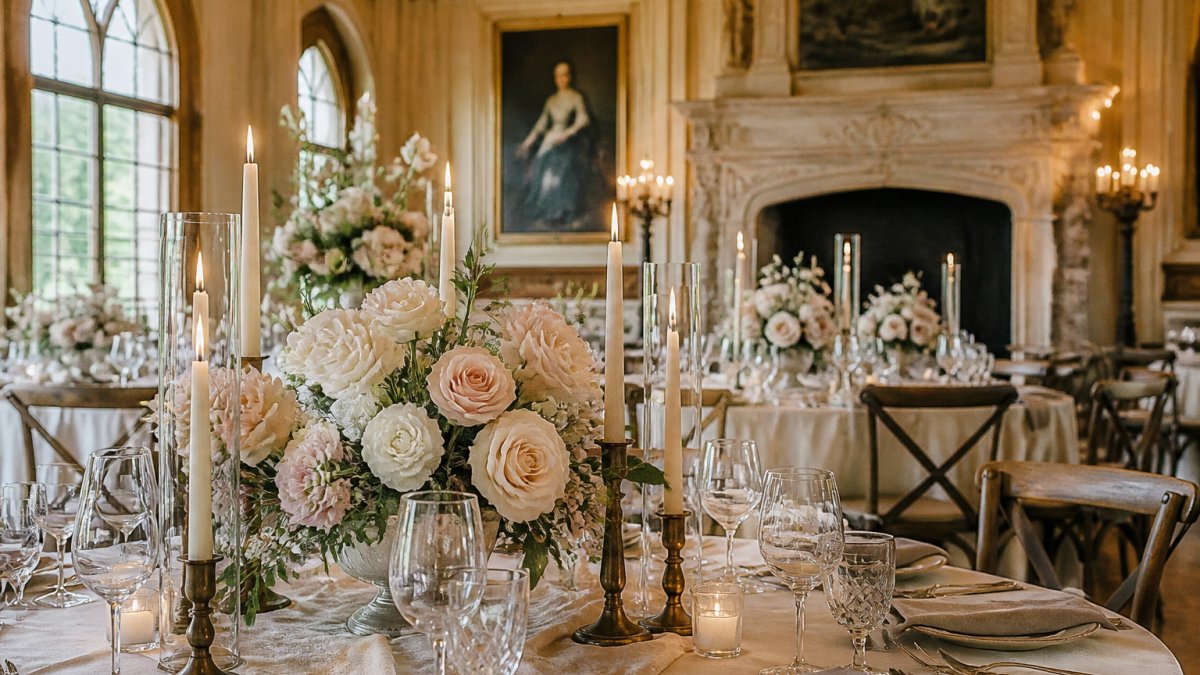
Traditional Victorian venues offer grandeur and elegance, but come with constraints: rigid layouts, strict vendor policies, heritage restrictions on décor, and an aesthetic demanding a specific visual language.
At My Botanic Life, we've worked with couples across Victoria who've chosen botanical gardens, converted warehouses, and private rural properties. They share a clear sense of what matters to them and a willingness to step outside the playbook.
Unique Wedding Venues Victoria: Gardens, Galleries, and Creative Spaces
Unconventional venues open up design possibilities traditional spaces don't allow. Free from heritage décor rules and fixed architectural elements, you can build an atmosphere from scratch.
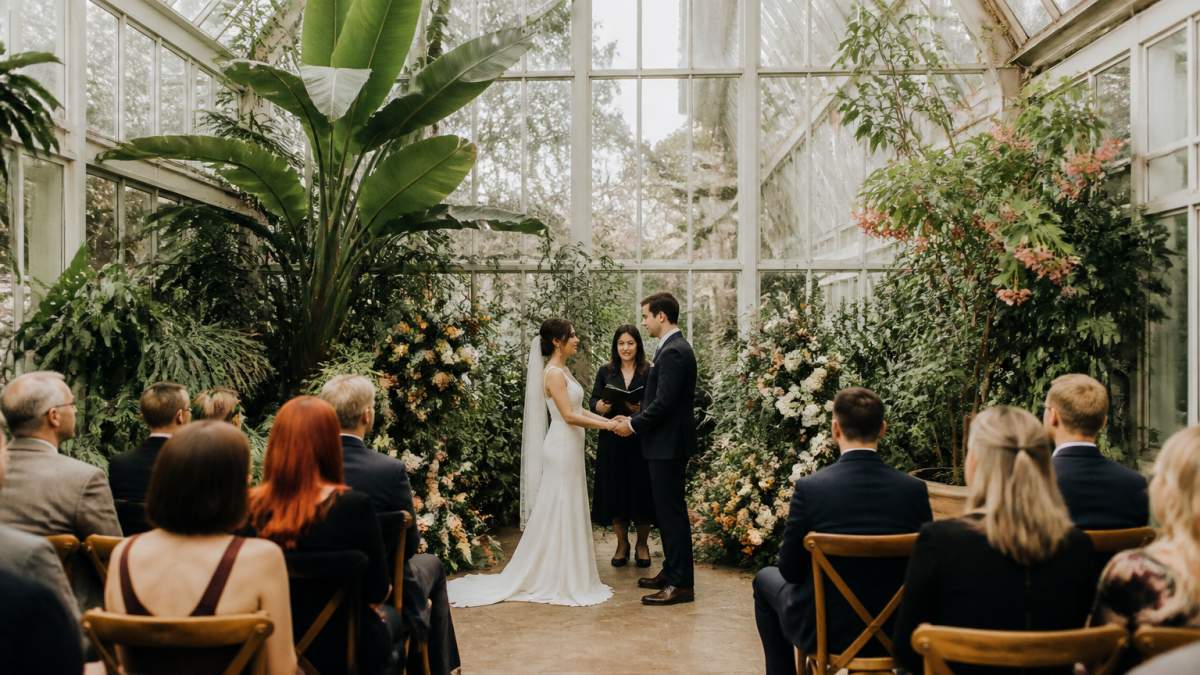
Botanical Gardens and Greenhouse Settings
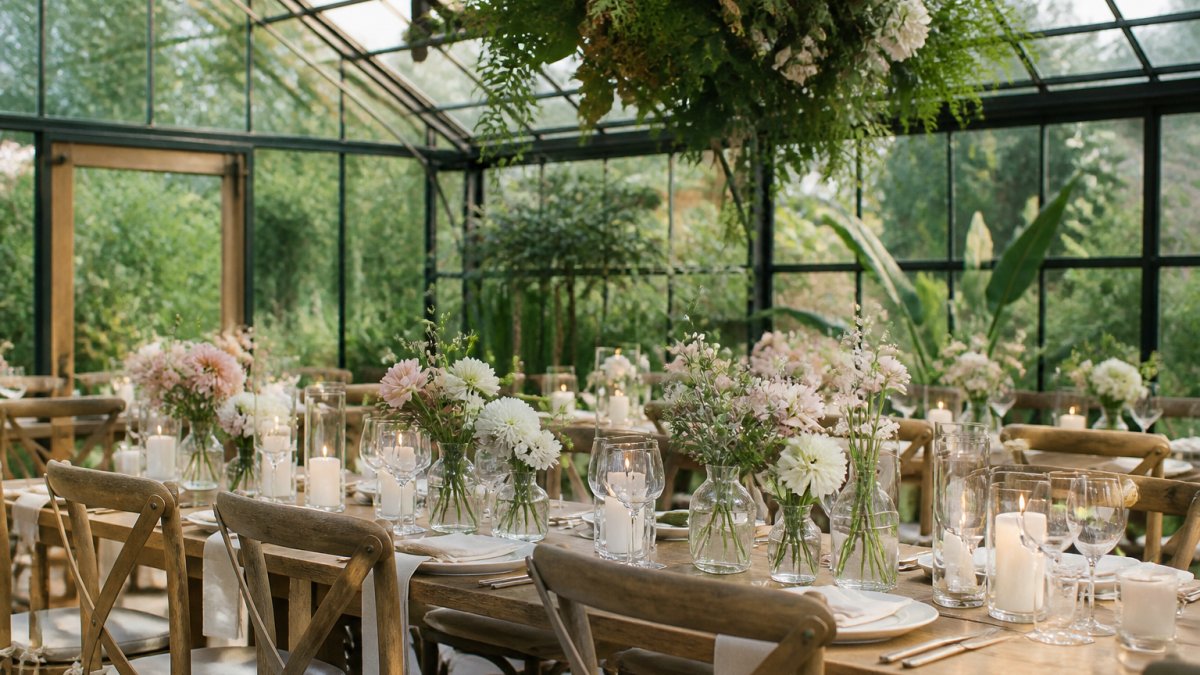
Botanical gardens offer natural beauty requiring minimal decoration. The plants, light, and layered textures already exist, so your role becomes enhancement rather than transformation.
Greenhouses are particularly compelling. Glass creates soft, diffused light that flatters people and florals, and the humidity keeps flowers fresher than traditional indoor venues. Many couples choose greenhouse ceremonies for this reason alone: the flowers you carry at 2 PM look as fresh as they did at 9 AM.
The practical advantage is often overlooked: botanical gardens let you work with existing plantings, so arrangements complement rather than compete with the landscape. The setting becomes a conversation between your bespoke florals and the established botanical framework.
Art Galleries and Museums
Art galleries and museums suit couples wanting a sophisticated, curated environment. Clean lines and neutral walls become a backdrop rather than a statement, letting bespoke florals take the primary visual focus.
Museums offer historical narrative without the rigid aesthetic constraints of a heritage venue, so your florals can range from contemporary minimalist to elaborate and ornate.
The advantage is psychological: gallery and museum spaces signal intentionality. Couples who choose them are saying, "We've curated this experience", a mindset that translates into every detail, including florals.
Rural Properties and Vineyards
Rural properties and vineyards offer landscape as the primary asset: a vineyard in autumn light, rolling hills at golden hour, open paddocks with distant tree lines. The scale, light quality, and sense of space are entirely different from traditional venues.
Rural properties make weather a genuine consideration. Unlike a heritage building with guaranteed shelter, a paddock requires contingency planning, which couples who choose this path typically embrace as part of the adventure.
Vineyards have become increasingly popular because they offer both landscape and established hospitality infrastructure: indoor backup spaces, catering facilities, and accommodation options that matter when working outside.
Industrial and Converted Spaces
Warehouses, converted factories, and similar industrial spaces are favoured alternatives to traditional venues because they offer visual neutrality with genuine character. Exposed brick, polished concrete, and soaring ceilings create a distinctive backdrop without imposing a specific aesthetic.
Industrial venues suit couples who want florals to make a bold statement. Without competing architectural detail, arrangements can be generous, dramatic, and unapologetic, and the scale allows larger installations that would overwhelm a traditional venue.
The trade-off: industrial spaces require more design work. Starting with a blank canvas means creating atmosphere through lighting, florals, and décor, precisely where a bespoke floral designer becomes essential rather than optional.
Small Wedding Venues Victoria: Intimate Celebrations and Elopements
Intimate weddings have fundamentally different venue requirements than large celebrations. Small wedding venues Victoria options expand dramatically once you accept you don't need a space for 150 people.
A boutique hotel suite, private garden, cottage, or vineyard tasting room becomes viable when your guest count is under 30. The advantage: you can afford a space that's genuinely beautiful rather than simply functional.
Elopements have particular advantages. With just two people, a photographer, and perhaps an officiant, you can marry in locations that would never work for larger groups, a secluded garden corner, a forest clearing, a private beach.
For elopements and small celebrations, bespoke florals matter even more. Without a large reception to create atmosphere, every detail carries weight: your bouquet, ceremony arch florals, and table arrangements are noticed, remembered, and photographed in ways they wouldn't be at a 100-person celebration.
Practical Costs, Accessibility, and Seasonal Considerations
Choosing an alternative venue requires thinking through practical realities traditional venues often handle for you.
Budget Trade-offs and Hidden Costs
Alternative venues often cost less to hire than established wedding venues, a private property, garden, or gallery outside peak hours typically has lower base costs. But "lower venue hire" doesn't mean "lower overall cost."
Converted spaces often require additional services: professional catering, external bar service, portable restrooms, extra lighting, heating or cooling. A traditional venue bundles these into one quote; an alternative venue requires sourcing and coordinating them separately.
Florals can be a significant cost factor. A botanical garden may need less floral volume because existing plants do visual work; an industrial warehouse needs more. The space directly affects how much floral design you'll need.
When evaluating alternatives to traditional Victorian wedding venues, build a complete cost picture: venue hire, catering, bar service, restrooms, parking, lighting, heating, insurance, and florals.
Transport, Accommodation, and Accessibility
Rural properties and regional vineyards introduce logistics city venues don't: guest transport, limited nearby accommodation, and accessibility for elderly or mobility-challenged guests all require advance planning.
A venue 90 minutes from the city is beautiful but creates friction: guests must arrange transport, possibly accommodation, and time away. Some couples embrace this as a feature that filters for committed guests; others find it limits their list unnecessarily.
Accessibility matters more than it's typically discussed. A rural property with gravel parking and uneven ground may be stunning but difficult for guests with mobility limitations, while converted industrial spaces often have single-level layouts that work beautifully, unlike heritage buildings with multiple levels and narrow corridors.
Weather, Permits, and Ceremony Requirements
Outdoor and semi-outdoor venues require weather contingency planning. A greenhouse provides protection; an open garden does not. A vineyard ceremony space might have a covered pavilion or be entirely exposed.
Permits vary by location and venue type: a private property may need council approval above a certain size, a public garden typically has established processes, and an urban industrial space may have noise restrictions affecting timing and music volume.
Ceremony requirements, where you can legally marry, who conducts it, what paperwork is required, don't change by venue type. But the logistics of getting a celebrant to a remote property or securing the right permits do vary, and these details matter more than they seem.
Wedding Venue Comparison Checklist: How to Evaluate Your Options
Compare venues against your actual priorities and constraints, not an imaginary ideal.
| Evaluation Criterion | Why It Matters | Questions to Ask |
|---|---|---|
| Visual Aesthetic | Does the space align with your style without requiring extensive modification? | Does this venue need florals to feel complete, or do existing elements work with your vision? |
| Capacity and Layout | Can the space physically accommodate your guest count and celebration flow? | Where do guests arrive, where do they gather, where do they eat, where do they dance? |
| Weather Contingency | What happens if weather turns? Is there backup shelter? | Is there a covered space? What's the rain plan? |
| Accessibility | Can all your guests physically access and move through the venue? | Are there stairs, gravel surfaces, or uneven ground? Is parking accessible? |
| Vendor Flexibility | Can you bring in your own caterer, florist, lighting designer? | What are the restrictions on external vendors? |
| Permits and Regulations | What council approvals or permits are required? | Are there noise restrictions, time limits, or guest count limits? |
| Transport and Parking | How will guests arrive? Is parking adequate? | Is the venue accessible by public transport? Is parking free or paid? |
| Cost Structure | What's included in the venue hire? What costs extra? | Is catering included? Bar service? Tables and chairs? Restrooms? |
| Florals and Design | How much design work does the space require? | Will existing elements work with your floral vision, or do you need to build atmosphere from scratch? |
The best venues are those where your priorities align with what the space naturally offers. A couple prioritising landscape doesn't need a grand ballroom; a couple wanting intimacy doesn't need a venue built for 200.
How Bespoke Florals Transform Non-Traditional Venues
This is where the real design work happens. An alternative venue is just a space until florals, lighting, and thoughtful arrangement transform it into an atmosphere.
A botanical garden needs florals that complement existing plantings. At My Botanic Life, we first understand what's there, then design arrangements that converse with the existing botanical framework.
Choosing an alternative venue means designing your celebration from first principles rather than accepting a template.
The florals you choose matter more in alternative venues because they're often the primary tool for creating atmosphere.
At My Botanic Life, we specialise in designing florals for exactly these kinds of venues.
If you're considering alternatives to traditional Victorian wedding venues and want florals that match the intentionality of your choice, contact My Botanic Life for a consultation.
Frequently Asked Questions
What are some alternatives to traditional wedding venues?
Alternative wedding venues include botanical gardens, art galleries, museums, rural properties, vineyards, rooftop spaces, libraries, converted warehouses, and private homes. Each offers a distinct atmosphere and can be tailored to reflect your personal style. Gardens provide natural picturesque settings, while galleries and museums offer artistic backdrops. Rural properties and vineyards suit larger celebrations, and intimate spaces work well for elopements or small gatherings. The choice depends on your wedding size, budget, and the mood you want to create.
How do you choose an alternative wedding venue?
Start by clarifying your wedding size, guest capacity needs, and overall aesthetic vision. Use a wedding venue comparison checklist to evaluate key factors: location and transport accessibility, weather contingencies and shelter options, permits and noise restrictions, guest accommodation nearby, and setup flexibility. Visit potential venues in person or request detailed photos and site plans. Consider how the space aligns with your colour scheme and style, bespoke florals can enhance any venue, but understanding the existing architecture and natural light will help you make the right choice.
Are alternative wedding venues suitable for small weddings?
Yes, alternative venues are ideal for small and intimate celebrations. Many unique spaces, private gardens, art galleries, libraries, and converted rooms, naturally accommodate smaller guest counts better than traditional wedding halls. These intimate venues often feel more personal and allow for meaningful interactions. Small wedding venues in Victoria range from countryside cottages to gallery spaces and private properties, each offering character that larger traditional venues cannot match. Smaller guest numbers also mean lower overall costs and easier management of logistics like catering and seating.
How can flowers transform a non-traditional wedding venue?
Bespoke floral arrangements add colour, warmth, and softness to any space, bridging the gap between the venue's existing character and your vision. In industrial spaces, florals soften hard edges. In galleries, they complement artwork without competing. In gardens, they enhance natural beauty. A skilled floral designer understands how light, space, and existing décor interact with flowers to create a cohesive atmosphere. Personalised arrangements that reflect your style ensure the venue feels authentically yours, whether it's a converted warehouse or a botanical setting.