 blog
blog
Victorian vs Modern Wedding Venues: A Comparison
Table of Contents
- Understanding Victorian Wedding Venues and Their Appeal
- Modern Event Spaces: What Sets Them Apart
- Floral Design for Heritage Venues: Creating Atmosphere in Historic Spaces
- Cost-Benefit Analysis: Victorian Venues vs Modern Alternatives
- Logistical Trade-offs and Practical Considerations
- Wedding Venue Comparison Checklist: What to Evaluate
- Industrial Wedding Venue Styling: A Modern Alternative
- Sustainability: Historic Charm vs Modern Infrastructure
- Frequently Asked Questions
Last Updated: September 27, 2026
Understanding Victorian Wedding Venues and Their Appeal
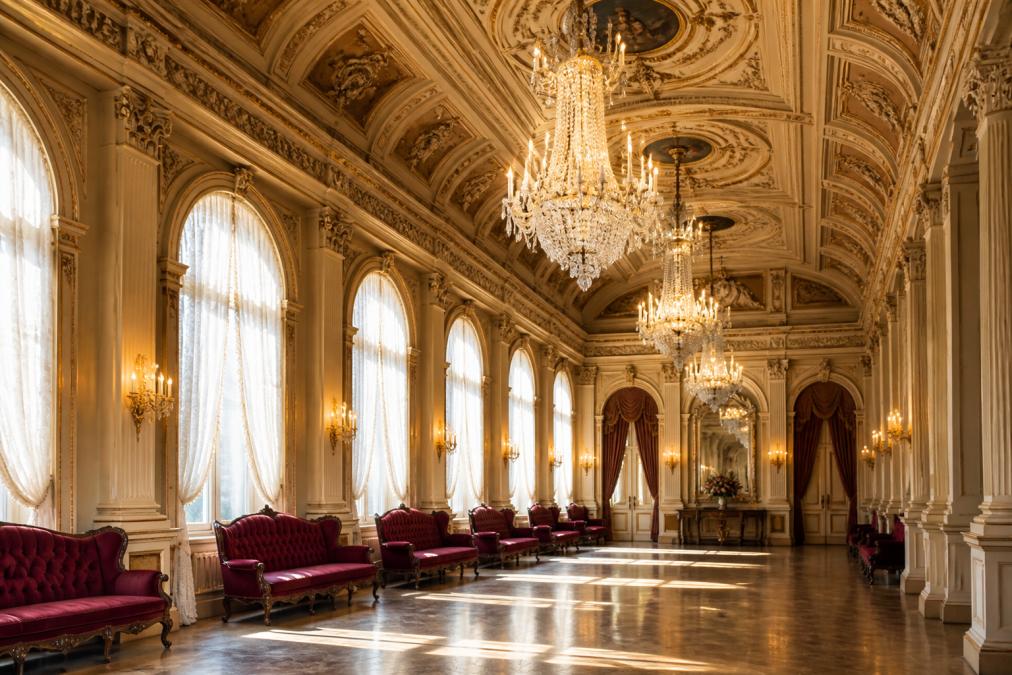
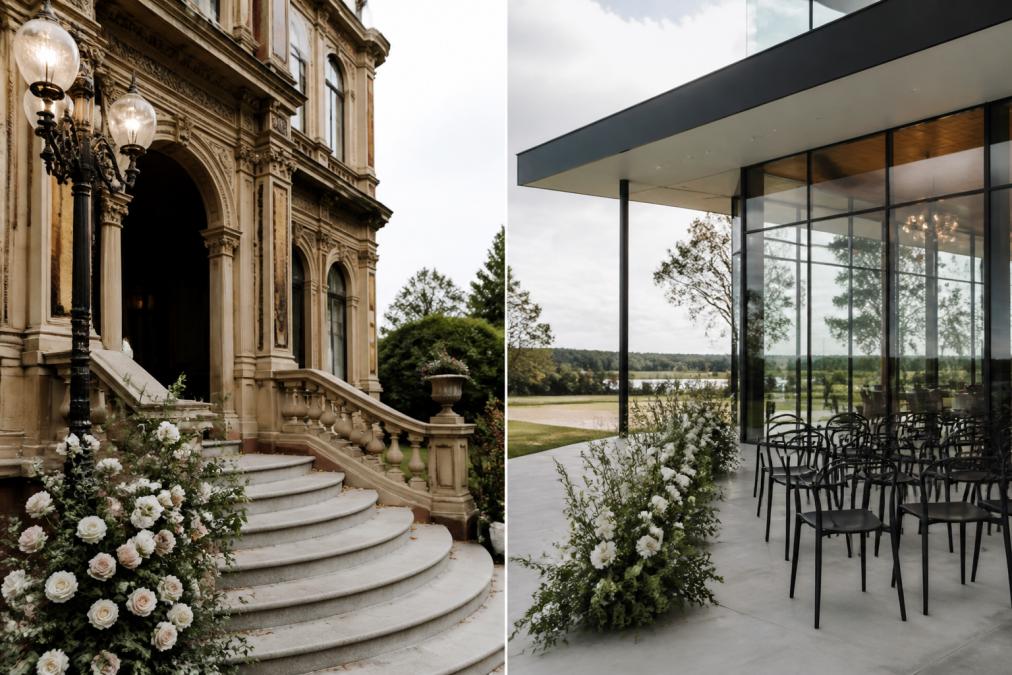
Victorian wedding venues carry a distinct architectural style that speaks to couples seeking timeless elegance. These heritage properties, often heritage-listed estates, converted mansions, or period-specific buildings, offer built-in atmosphere that requires minimal additional decoration. The inherent charm of soaring ceilings, ornamental plasterwork, and period features creates a ready-made aesthetic backdrop.
A Victorian venue tells a story, guests step into a specific moment in architectural history, creating an immersive experience that modern spaces cannot replicate.
Victorian wedding venues come with practical constraints: limited layout flexibility, restricted load-in access, and often dated infrastructure. These limitations shape styling options and vendor capabilities.
Modern Event Spaces: What Sets Them Apart
Modern event spaces prioritise flexibility and infrastructure. A contemporary venue typically offers blank canvas layouts where you control every visual element. The lighting systems, climate control, and technical infrastructure are purpose-built for events. You're not working around heritage limitations; you're working with systems designed for your needs.
The trade-off is atmosphere. Modern spaces start neutral and require intentional design to feel special, unlike Victorian rooms that whisper elegance upon arrival.
Modern venues excel when your vision requires specific customisation. Industrial warehouse spaces appeal to couples wanting raw textures and minimalist aesthetics. Converted galleries suit art-forward celebrations. Purpose-built event centres offer predictable logistics and reliable vendor access.
Floral Design for Heritage Venues: Creating Atmosphere in Historic Spaces
Florals in a Victorian wedding venue enhance existing atmosphere rather than create it, working with the aesthetic rather than against it.
Heritage spaces have strong colour palettes and ornate details. Floral design must complement rather than compete, soft, romantic arrangements in blush, cream, and sage tones work better than bold, contemporary florals.
At My Botanic Life, bespoke floral arrangements enhance architectural details, draping along period railings, softening sharp corners, or drawing attention to beautiful features.
Existing details in heritage venues reduce floral workload, smaller, strategically placed arrangements rather than extensive installations.
Cost-Benefit Analysis: Victorian Venues vs Modern Alternatives
Comparing Victorian wedding venues and modern event spaces requires looking beyond hire costs to understand where money actually flows.
Venue hire and base costs
Victorian properties typically charge lower venue fees but require couples to source external services that modern spaces include as standard.
Hidden costs in heritage venues
Heritage-listed properties often impose additional expenses: climate control, catering infrastructure, electrical surcharges, heritage permits, vendor access premiums, and weather contingency marquees.
Built-in costs in modern venues
Modern event spaces include climate control, commercial kitchens, adequate electrical capacity, standardised vendor access, restroom facilities, and basic furnishings, reducing ancillary spending and hidden costs.
Floral design budget shifts
Floral costs move in opposite directions: Victorian spaces may require strategic arrangements, while modern blank-canvas spaces often require more extensive installations for comparable visual impact.
Total cost of ownership comparison
A typical example: total costs are comparable, but the modern space offers more predictability.
The real financial decision
Request itemised quotes identifying all inclusions and external costs. Modern venues typically offer better cost transparency; heritage venues require detailed questioning to uncover hidden expenses.
Logistical Trade-offs and Practical Considerations
Load-in access and vendor coordination
Victorian properties often restrict load-in to narrow windows with single entry points, creating bottlenecks and vendor surcharges. Modern spaces offer generous load-in windows with multiple entry points and simultaneous vendor access.
Heritage restrictions and approval processes
Heritage-listed properties operate under statutory protections that impose operational constraints modern venues don't face.
Temporary installations, floral arches, lighting rigs, marquees, may require formal approval from the venue or heritage authority. A couple wanting to install a dramatic floral installation over a heritage staircase might need written approval, adding to the planning timeline. Some heritage venues prohibit certain types of installations entirely (e.g., no drilling into period walls, no structural modifications, no heavy equipment on original flooring). These restrictions limit what florists and designers can physically execute.
Modern event spaces rarely impose such restrictions. Couples and their vendors have near-total freedom to install, modify, and reconfigure the space.
Climate control and weather contingency
The two venue types handle environmental variables very differently.
Victorian buildings often have stable internal climates due to thick walls and period construction, but they typically lack redundant climate systems. If the main heating fails on a winter wedding day, there's no backup. Older buildings also frequently lack adequate insulation, meaning summer heat or winter cold can penetrate despite the HVAC system running. Modern event spaces built to current standards feature redundant climate systems: if one HVAC unit fails, a second automatically engages. Insulation meets contemporary building codes, so internal temperature remains stable regardless of external conditions.
Outdoor heritage estates face the same weather exposure as outdoor modern venues, but older buildings may lack adequate shelter or contingency infrastructure. A heritage garden venue might have a small pavilion but no large marquee infrastructure; couples must hire external marquees for weather protection. Modern outdoor event spaces often have permanent or semi-permanent shelter structures included.
Restroom facilities and guest amenities
Guest experience logistics vary significantly.
Heritage properties often feature period-appropriate restroom facilities that may be fewer in number, smaller, or less conveniently located than modern standards. A Victorian mansion might have two restrooms on the ground floor and one upstairs, adequate for 50 guests but creating queues for 150. Modern event spaces typically feature multiple restrooms on each level, designed for high-volume events. Accessibility also differs: heritage buildings may lack wheelchair-accessible restrooms or may require guests to navigate narrow corridors or stairs. Modern venues are built to accessibility standards, with level access, grab rails, and accessible restrooms on the main event floor.
Parking and arrival logistics also differ. Heritage estates often have limited parking (guests park on-street or in small lots); modern venues typically have dedicated parking designed for event capacity. For elderly guests, guests with mobility challenges, or large wedding parties, this difference is material.
Setup and breakdown timelines
The actual time required to prepare and close down a venue varies significantly.
Victorian venues often require longer setup because vendors must work around existing features, navigate narrow corridors, and manage access restrictions. A florist might need 4-5 hours to install arrangements in a heritage space versus 2-3 hours in a modern blank-canvas venue. Breakdown is similarly extended because vendors must carefully remove installations without damaging period features.
Modern event spaces typically allow faster setup and breakdown because the space is designed for event logistics. Vendors know exactly where power is available, where to stage materials, and how to move through the space efficiently.
Contingency planning and risk
The logistical predictability differs between venue types, affecting how couples must plan for contingencies.
Victorian venues require more contingency planning: backup heating/cooling, alternative load-in routes if primary access is blocked, extended setup time buffers, weather shelter arrangements.
Practical decision framework
Wedding Venue Comparison Checklist: What to Evaluate
When comparing Victorian wedding venues against modern alternatives, a structured evaluation framework helps separate emotional appeal from practical suitability. The checklist below covers the factors that actually determine whether a venue will work for your specific celebration.
| Evaluation Factor | Victorian Venues | Modern Event Spaces |
|---|---|---|
| Built-in atmosphere | High, existing aesthetic carries visual weight | Low, requires intentional design |
| Layout flexibility | Restricted, period features limit changes | High, adaptable to your vision |
| Infrastructure (power, climate, kitchen) | Often limited or dated | Purpose-built and redundant |
| Vendor access and logistics | May be restricted; load-in windows tight | Typically unrestricted and flexible |
| Floral design requirements | Fewer flowers needed; strategic placement | More extensive installations often needed |
| Guest amenities (restrooms, parking, accessibility) | Variable; depends on property age | Standardised and reliable |
| Permit and approval requirements | May require heritage approvals | Simplified processes |
| Weather contingency | Limited backup systems | Strong climate control |
| Customisation restrictions | Significant, heritage protection rules | Minimal restrictions |
| Pricing structure | Lower venue hire; higher ancillary costs | Higher hire; lower ancillary costs |
Industrial Wedding Venue Styling: A Modern Alternative
Industrial spaces represent a distinct category within modern event venues. Exposed brick, concrete floors, steel beams, and high ceilings create a raw aesthetic that appeals to couples seeking contemporary elegance without period constraints.
Sustainability: Historic Charm vs Modern Infrastructure
Sustainability considerations reveal genuine differences between Victorian and modern venues. Heritage properties often represent embodied carbon, existing structures require no new construction. Preserving and using historic buildings aligns with environmental values around adaptive reuse.
Frequently Asked Questions
What are the main aesthetic differences between Victorian and modern wedding venues?
Victorian wedding venues feature ornate architectural details, heritage charm, period fixtures, and established gardens that create a romantic, timeless atmosphere. Modern event spaces offer clean lines, flexible blank canvas layouts, contemporary amenities, and minimalist aesthetics. Victorian venues provide built-in character; modern spaces require more customization through floral design and décor to establish atmosphere. Your choice depends on whether you want the venue's inherent heritage charm or prefer to shape the entire aesthetic yourself through bespoke floral arrangements and styling.
Do historic wedding venues have more restrictions than modern event spaces?
Yes, heritage venues typically have stricter guidelines to preserve architectural integrity and heritage status. Restrictions may include limitations on where you can install fixtures, décor placement rules, and vendor access constraints. Modern event spaces generally offer greater flexibility with exclusive use, customizable layouts, and fewer structural limitations. However, historic venues often compensate with stunning existing architecture that reduces the need for extensive decoration. Understanding these constraints early helps you plan your floral design and overall décor strategy effectively.
How does floral design differ between heritage and modern wedding venues?
In heritage venues, floral design complements existing architectural elements and respects the space's period character. Designers work with the venue's established aesthetic, using arrangements that enhance rather than compete with ornate details. Modern spaces require floral design to establish atmosphere from scratch, allowing bold colour choices, contemporary styling, and experimental arrangements. Heritage venues benefit from subtle, classic florals; modern spaces can showcase statement pieces. Bespoke floral design becomes essential in modern venues to create the emotional warmth and softness that historic architecture naturally provides.
Are modern event spaces more cost-effective than Victorian venues?
Not necessarily. While modern venue hire may appear cheaper initially, costs shift to customization through florals, décor, and styling to create atmosphere. Victorian venues may command higher venue fees but require less additional decoration due to existing charm and infrastructure. The total investment depends on your vision: minimal décor in a historic setting versus substantial floral and styling investment in a blank canvas space. Request detailed quotes from both venue types to compare true all-inclusive costs, including vendor access, setup time, and required customization.