 how-to
Bespoke Wedding Floral Design Process: A 2026 Guide
Table of Contents
- What the Bespoke Wedding Floral Design Process Actually Involves
- Your Wedding Flower Consultation Checklist: Questions That Shape the Design
- The Bespoke Floral Design Timeline: From First Meeting to Wedding Day
- Wedding Floral Proposal Examples: What to Expect in Your Custom Quote
- Sourcing, Sustainability, and the Flowers You Actually Get
- Budget Management and Contingency Planning for Bespoke Florals
- Logistics, Installation Day, and Post-Wedding Floral Preservation
- Frequently Asked Questions
Last Updated: September 23, 2026
What the Bespoke Wedding Floral Design Process Actually Involves
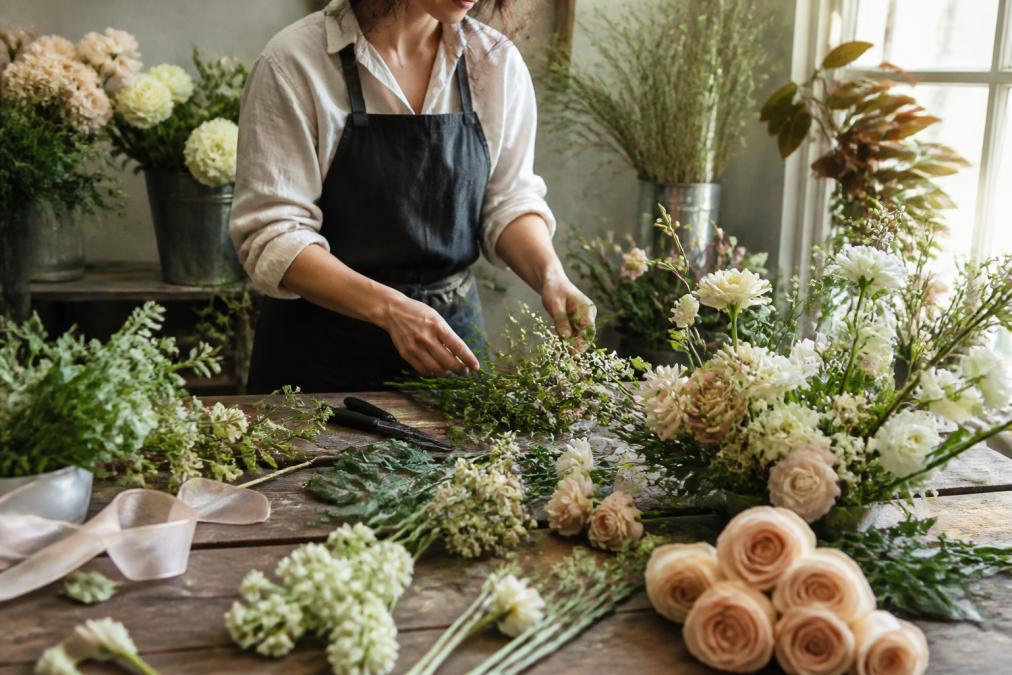
Bespoke wedding floral design is a collaborative process where a designer builds a custom floral plan around your venue, your story, and your budget, rather than selling you a pre-set package. At My Botanic Life, we treat it as a conversation that starts months before your wedding day.
Your Wedding Flower Consultation Checklist: Questions That Shape the Design
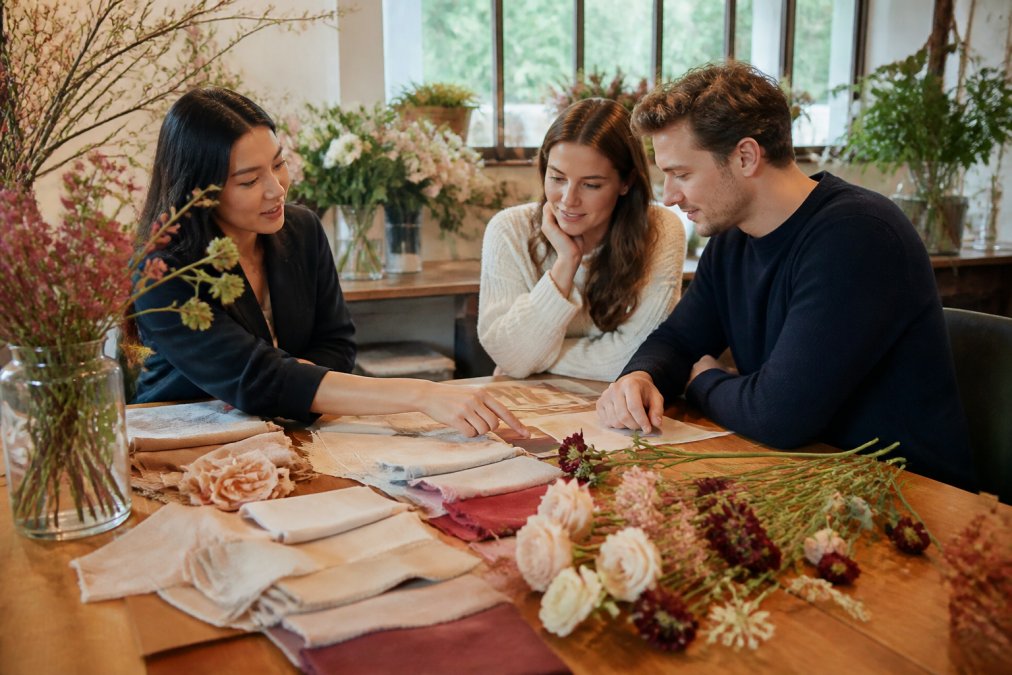
A strong wedding flower consultation checklist covers four things: your venue, your colour palette, your must-have flowers, and your budget range. Bring answers to all four and the first meeting does most of the heavy lifting.
What to Bring to Your First Design Consultation
- Photos of your venue, indoors and out
- Fabric swatches or dress photos for colour reference
- A rough guest count and table plan
- Any Pinterest boards or saved images you love
- Two or three flowers you feel strongly about
How Your Designer Interprets Your Vision
A designer reads your references for mood, not for literal copying. "Romantic" can mean loose garden textures or tight, structured blooms. Expect questions that narrow that gap, because a good design consultation is where vague ideas become a real direction.
The Bespoke Floral Design Timeline: From First Meeting to Wedding Day
The bespoke floral design timeline typically runs from six to twelve months before the wedding, depending on scale and season. Peak dates book out first, so start early.
Key Milestones and Booking Lead Times
| Stage | Typical Timing | What Happens |
|---|---|---|
| Consultation | 9-12 months out | Vision, palette, venue review |
| Concept and proposal | 8-10 months out | Design concept and quote |
| Revision and contract | 6-8 months out | Client revision, final sign-off |
| Sourcing | 4-8 weeks out | Flower variety and seasonal availability |
| Installation | Wedding week | Floral logistics and setup |
Wedding Floral Proposal Examples: What to Expect in Your Custom Quote
A wedding floral proposal is not a single number. It is an itemised document that maps every stem, structure, and labour hour to a line, so you can see exactly where your money goes and adjust before you commit. Most practitioners structure it in four parts: the design summary, the itemised quote, the terms, and the revision window.
What a Proper Itemised Quote Looks Like
A well-built proposal separates each element rather than bundling it. A common pattern is:
- Bridal party florals, bridal bouquet, bridesmaid bouquets, flower girl pieces, buttonholes, corsages
- Ceremony florals, arch or arbour arrangements, aisle markers, pedestal pieces, welcome signage florals
- Reception florals, centrepieces by table type, head table garlands, bar arrangements, cake flowers
- Installation and logistics, delivery, setup labour, breakdown, hire items such as vessels, stands, and arches
- Contingency line, a small buffer, usually 5-10% of the floral subtotal, for last-minute changes
How to Allocate Your Floral Budget Across the Day
Budget allocation is the part most guides skip, yet it is where bespoke design earns its keep. A practical starting framework:
| Area | Typical Share of Floral Budget | Why |
|---|---|---|
| Ceremony | 30-40% | High visual impact, short display window |
| Reception tables | 30-40% | Longest guest exposure, highest volume |
| Bridal party personal flowers | 15-20% | Photographed all day, close-up detail |
| Installation and hire | 10-15% | Structures, labour, delivery, breakdown |
Revision, Sign-Off, and What Happens Next
- First pass, check the itemised list against your venue and guest count. Are there enough centrepieces? Is the arch the right scale for the space?
- Second pass, adjust quantities and swap varieties to hit your budget without cutting hero pieces.
- Sign-off, once you approve, a deposit (commonly 25-50% of the total) secures your date and locks in seasonal sourcing.
Sourcing, Sustainability, and the Flowers You Actually Get
Sourcing is where a bespoke design either holds together or falls apart. It is also where the environmental impact of your wedding florals is decided, long before the flowers reach the venue. Most guides gloss over this. Here is what actually happens, and what to ask.
Where Your Stems Come From
Florists source from three main channels:
- Local growers, often small-scale farms within your state or region. Stems are cut close to the date, travel short distances, and tend to last longer in the arrangement.
- Domestic wholesale markets, larger Australian growers and wholesalers who supply consistent volume and varieties across seasons.
- Imported stems, flown in from overseas, often for out-of-season varieties or specific blooms. They carry a heavier carbon footprint and a shorter vase life after their journey.
Ask your designer which channel each hero flower comes from. A designer with a horticulture background can tell you what is realistically in season on your date, and what to substitute when it is not.
Sustainability in Practice, Not Just in Principle
Sustainable sourcing means asking where stems come from and how they were grown, not just whether the arrangement looks green. Concrete questions:
- Floral foam, traditional foam is not biodegradable and is increasingly avoided. Ask whether your designer uses reusable mechanics such as chicken wire, pin holders, or water tubes instead.
- Seasonal and local, flowers grown nearby often last longer and carry a lighter footprint than imported stems. Ask for a seasonal list for your month.
- Reuse and hire, vessels, arches, and stands can be hired rather than bought, reducing waste and cost.
- Composting and donation, ask what happens to the arrangements after the event. Some designers compost stems or donate blooms to aged-care homes and hospitals.
Contingency Planning: When a Flower Is Not Available
Seasonal availability is not a guarantee. Weather, freight delays, and grower shortages can all affect what arrives on the day. A good designer plans for this before it happens:
- Primary and secondary varieties, the proposal should name a first choice and an approved substitute for each hero flower.
- Colour and texture matching, substitutes are chosen to match the palette and texture, not the exact species, so the design still reads correctly.
- Early communication, if a variety is at risk, you should hear about it weeks out, not on the morning of setup.
- Written approval, any substitution should be confirmed in writing so there are no surprises.
Budget Management and Contingency Planning for Bespoke Florals
Budget management in bespoke florals comes down to prioritising three or four hero pieces and letting the rest support them. This is the part most guides skip.
- Spend most on the pieces guests photograph: the bouquet and ceremony backdrop
- Use seasonal, locally grown stems for filler to cut cost
- Trim guest table arrangements before cutting the bridal bouquet
- Hold back a small contingency for last-minute changes
Logistics, Installation Day, and Post-Wedding Floral Preservation
Installation day runs on a tight floral logistics schedule, and post-wedding preservation should be planned before the flowers arrive. Both are easy to forget until the week of.
Frequently Asked Questions
What is included in a bespoke wedding floral design service?
A bespoke wedding floral design service covers the full process: initial consultation, mood board and colour palette development, a customized floral plan, sourcing, floral mechanics preparation, delivery and on-site installation, and post-event breakdown. It typically includes bridal bouquets, boutonnieres, ceremony arrangements, reception centerpieces, and larger floral installations. Your designer coordinates every detail so the flowers work with your venue, your outfit, and your overall event styling.
How far in advance should I book my wedding florist?
For bespoke wedding floral design, booking six to twelve months ahead is ideal. This gives time for a proper design consultation, seasonal availability checks, proposal revisions, and sourcing. Peak wedding season dates fill quickly, so earlier is safer. If your wedding is within three months, reach out anyway; some designers can accommodate shorter timelines depending on flower variety and scale.
What should I bring to my initial wedding floral consultation?
Bring inspiration images, fabric swatches from outfits or bridesmaid dresses, venue photos or floor plans, and a rough idea of your floral budget. A wedding flower consultation checklist helps you stay organised. Also share any scents you love or dislike, since aromatherapy can influence flower choice. The more detail you provide, the more accurate your bespoke floral design proposal will be.
How do florists create custom floral proposals?
Designers build proposals from your consultation notes, mood board, and site visit findings. The document usually includes a design concept, flower variety list, quantity breakdown per arrangement, a visual reference or sketch, and pricing. Wedding floral proposal examples often show options at different budget levels so you can adjust scale or swap seasonal blooms without losing the overall aesthetic.
Planning bespoke wedding flowers can feel overwhelming when you are also choosing a venue, a menu, and a guest list. My Botanic Life takes that weight off your shoulders with a collaborative design process, a background in horticulture, aromatherapy, and floristry, and arrangements built around your venue and your story. From a Yarra Valley celebration to a Dandenong Ranges elopement, get started with My Botanic Life and see your vision take shape in flowers.