 listicle
7 Ways to Style Bespoke Wedding Flowers
Table of Contents
- 1. Match Your Bouquet to Your Wedding Dress
- 2. Build Your Bouquet Around Your Personal Story
- 3. Coordinate Flowers with Your Wedding Colour Palette
- 4. Style Ceremony Flowers That Frame Your Moment
- 5. Design Reception Table Flowers That Encourage Connection
- 6. Choose Seasonal Blooms and Sustainable Sourcing
- 7. Create Visual Balance with Texture, Shape, and Scale
- How to Brief Your Florist for Bespoke Designs
- Frequently Asked Questions
Last Updated: October 9, 2026
1. Match Your Bouquet to Your Wedding Dress
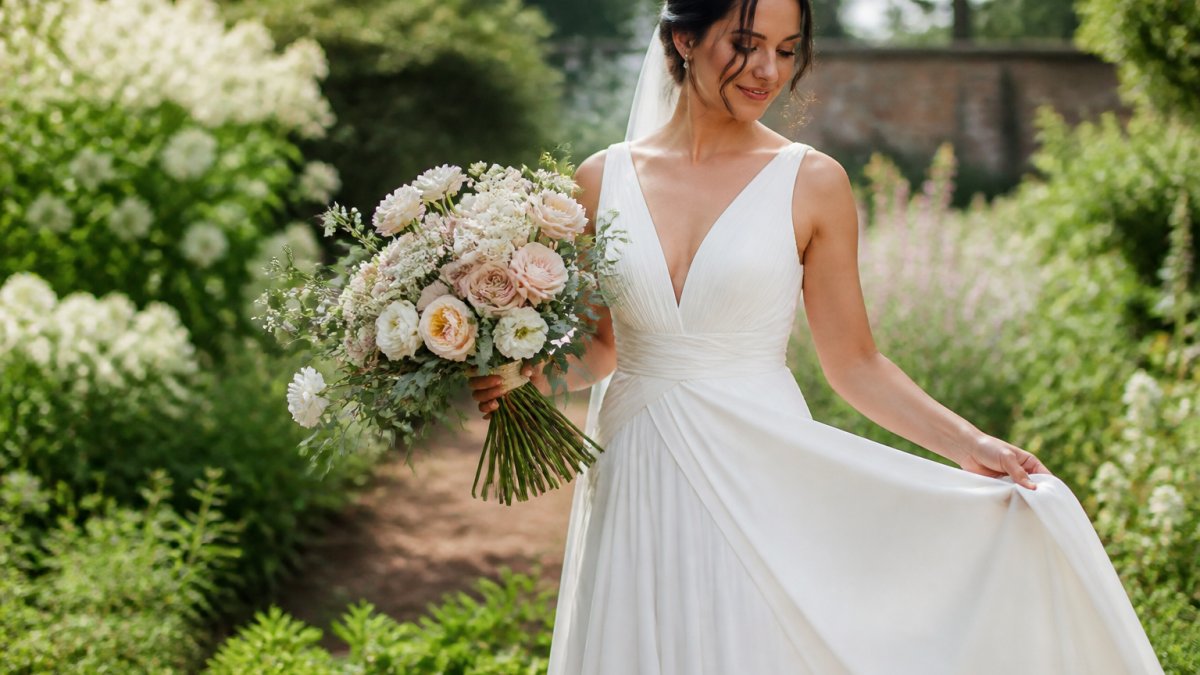
How your bridal bouquet interacts with your wedding dress is one of the most critical styling decisions you'll make. Couples who treat their bouquet as an extension of their gown create the most cohesive visual impact.
Silhouette and proportion
Your dress silhouette dictates the shape and scale of your bouquet. A structured, fitted gown calls for a simplified bouquet, such as long-stem arrangements or a tight, architectural cluster. A voluminous ball gown or flowing A-line demands a fuller, rounder bouquet to balance the fabric.
The proportion rule is simple: the larger your dress, the larger your bouquet can be without overwhelming your frame.
Fabric and texture harmony
Delicate lace demands equally refined florals. If your dress features intricate lacework, echo that intricacy through texture, such as garden roses with visible stamens, dahlias, or hypericum berries that create depth without competing for attention.
Satin and silk pair beautifully with softer, rounder blooms like hydrangeas or peonies, the smooth fabric contrasting with the flowers' texture. Tulle and organza work best with loose, flowing arrangements that let stems show and movement breathe.
2. Build Your Bouquet Around Your Personal Story
The most meaningful bespoke wedding flowers aren't chosen from a Pinterest board alone. They're rooted in your story, heritage, and the moments that matter to you both.
Flowers that hold meaning
Incorporate blooms that connect to your relationship. Did you meet in a garden? Include the flowers blooming that season. Shared love of a particular flower? Make it the hero of your arrangement. Flowers from your family's culture? Weave them in as a tribute.
These personal touches transform your bouquet from decoration into a narrative. When guests see those blooms, they're seeing your history reflected back.
Colour choices that tell your narrative
Colour carries meaning. Deep burgundy might honour a grandmother's favourite wine, soft blush might echo the sunset from your proposal location, and jewel tones can reflect your personality in ways generic "wedding white" never could.
Work with your florist to discuss what colours genuinely resonate with you, not what you think you should choose. This is where bespoke design shines, sourcing specific shades and combinations that feel as personal as your vows.
3. Coordinate Flowers with Your Wedding Colour Palette
Your wedding flowers shouldn't exist in isolation. They're part of a larger visual language that includes your stationery, linens, lighting, and decor.
Complementary colour schemes
Complementary colours, those opposite on the colour wheel, create visual tension and excitement. With blush and gold, deep green foliage and touches of burgundy add richness; with navy and cream, coral or peach tones add warmth.
Your florist can identify which blooms exist in the shades you need, and seasonal availability matters: certain colours are easier to source at certain times of year. A skilled designer working with bespoke wedding flowers will know which blooms deliver the exact tone you're after.
Monochromatic depth and tone variation
Alternatively, a monochromatic approach, using different tones and textures of a single colour, creates sophisticated elegance. An all-white bouquet is really ivory, cream, white, off-white, and pale blush layered together, and that variation prevents it from feeling flat.
This works beautifully for minimalist modern designs and pairs well with statement focal points elsewhere in your reception, letting the shape, texture, and proportion of the flowers become the focal point.
4. Style Ceremony Flowers That Frame Your Moment
Your ceremony flowers set the emotional tone before you walk down the aisle. They're the backdrop to one of the most important moments of your life.
Arch and aisle arrangements
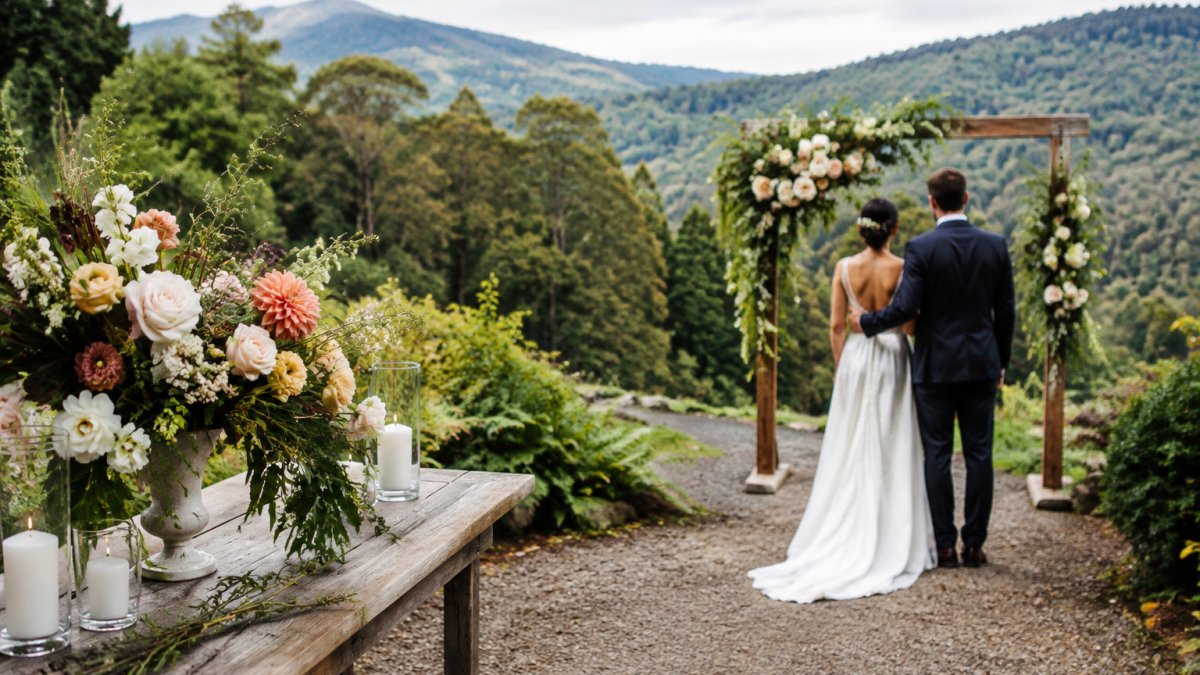
Ceremony flowers serve a dual purpose: they create atmosphere and frame you visually. An arch draped with flowing greenery draws the eye upward, while aisle flowers, trailing from chairs or placed at intervals, guide the viewer's gaze toward you.
Scale matters here. Ceremony spaces are often larger than they feel, and flowers that look delicate in a studio can disappear in a real venue.
Creating atmosphere and focal points
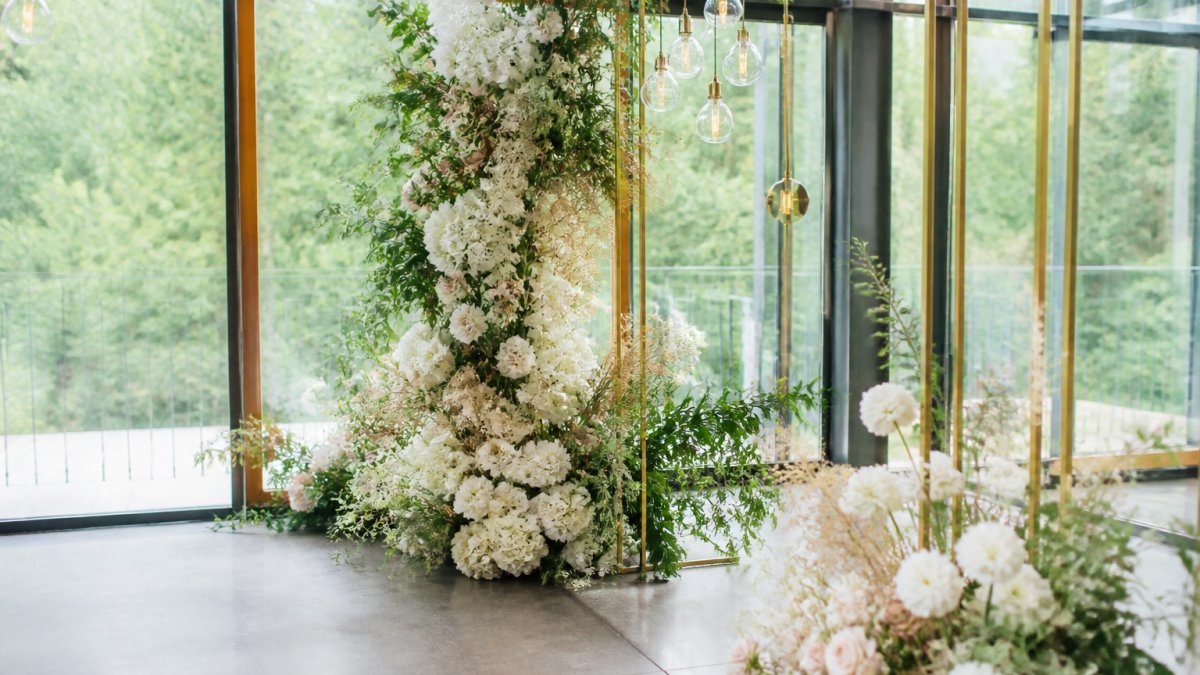
Beyond visual impact, ceremony flowers create mood. Soft, romantic arrangements in blush and cream feel intimate, bold architectural installations feel modern, and lush greenery creates a garden-like atmosphere. Your florist should understand the emotional experience you want guests to have on entering the space.
Consider also how the flowers will photograph. Ceremony moments are captured from multiple angles, so discuss with your florist how arrangements will look from the back of the space, from the side, and in close-up.
5. Design Reception Table Flowers That Encourage Connection
Reception flowers serve a different purpose than ceremony flowers. They're part of the intimate experience of your guests' evening, what people see when they sit down and what they remember.
Low-profile meadow-style arrangements
If conversation and connection matter more than visual drama, low-profile arrangements work beautifully. A sunken-meadow style, where flowers appear to grow from the table surface, keeps sightlines clear and encourages guests to talk to one another.
These arrangements are lush and generous with foliage and bloom layering, creating a naturalistic feel. They suit long banquet-style tables and outdoor garden settings, though the effortless meadow look requires a high volume of stems and careful layering.
Statement focal points for impact
Alternatively, focus your floral investment on fewer, larger statement pieces: a dramatic arrangement at the entrance, an oversized installation above the dance floor, a sculptural piece at the gift table. These create memorable moments without flowers on every surface.
This works well for budget-conscious couples who want maximum impact. Concentrating florals in high-traffic, high-visibility areas creates the impression of abundance without the cost of full table coverage, rewarding thoughtful venue planning and lighting design.
6. Choose Seasonal Blooms and Sustainable Sourcing
The flowers available to you shift with the seasons, and working with what's naturally in bloom creates both practical and ethical advantages.
Why seasonal flowers matter
Seasonal blooms are fresher, more affordable, and more abundant. A dahlia in September is at peak condition and costs a fraction of what it would in January when it's been shipped from overseas.
Working with seasonal flowers also means your florist can source locally or regionally grown blooms, reducing transportation emissions and supporting local growers. Your bespoke wedding flowers can reflect not just your personal style but your values around sustainability and environmental responsibility.
Ethical sourcing and environmental responsibility
Ask your florist about their sourcing practices. Do they work with local growers? Do they know where imported flowers come from? Are they using floral foam, which is non-recyclable and environmentally harmful, or alternative mechanics like chicken wire, moss, or floral frogs?
Sustainable floristry is becoming increasingly important to couples who want their wedding to reflect their values. A thoughtful florist can design arrangements that are just as stunning without relying on unsustainable practices.
7. Create Visual Balance with Texture, Shape, and Scale
The most visually compelling bespoke wedding flowers combine different bloom shapes, forms, and textures in ways that feel intentional rather than chaotic.
Mixing bloom shapes and forms
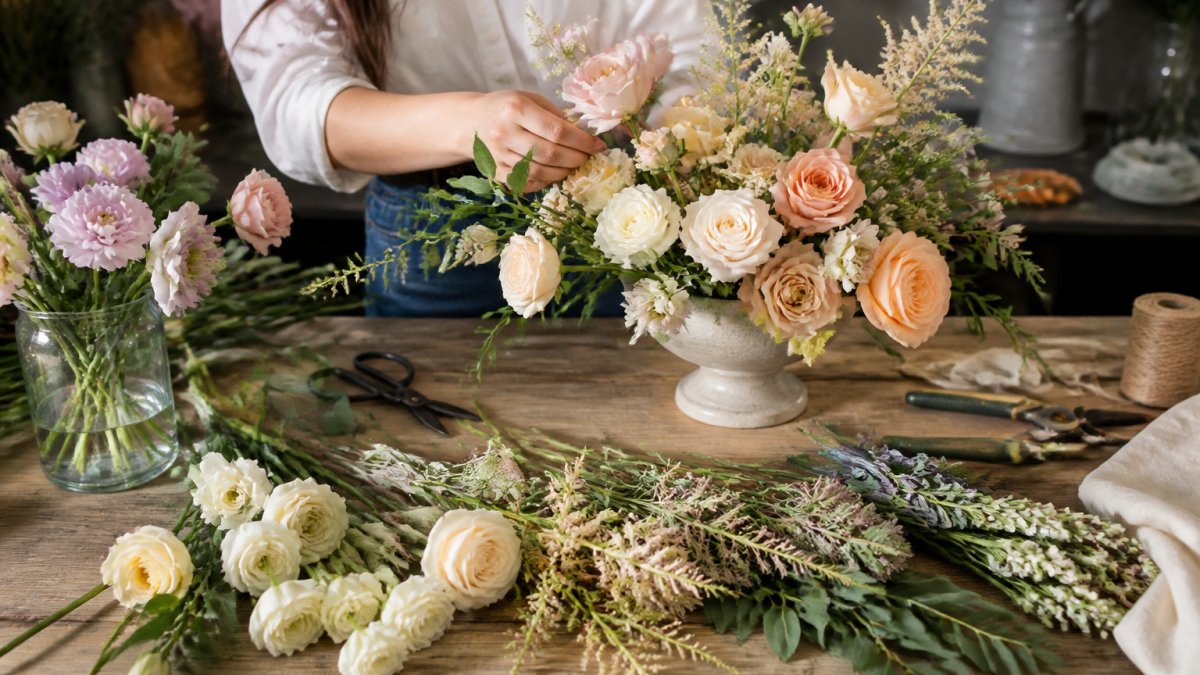
Pairing round blooms, dahlias, hydrangeas, garden roses, with spiky, linear forms like delphinium, veronica, or ruscus creates visual interest. Add feathery texture from astilbe or plumosa, and you've created depth and movement within a single arrangement.
The rule is proportion: if you're using mostly round, full blooms, introduce linear elements to break up the visual weight. If you're building a more architectural arrangement with lots of spiky forms, add some softer, rounder blooms to prevent it from feeling too sharp or austere.
Proportion and negative space
Negative space, the empty areas within and around your arrangement, is as important as the flowers themselves. An overstuffed bouquet feels cluttered. A thoughtfully designed arrangement has breathing room, allowing the eye to rest and the individual blooms to shine.
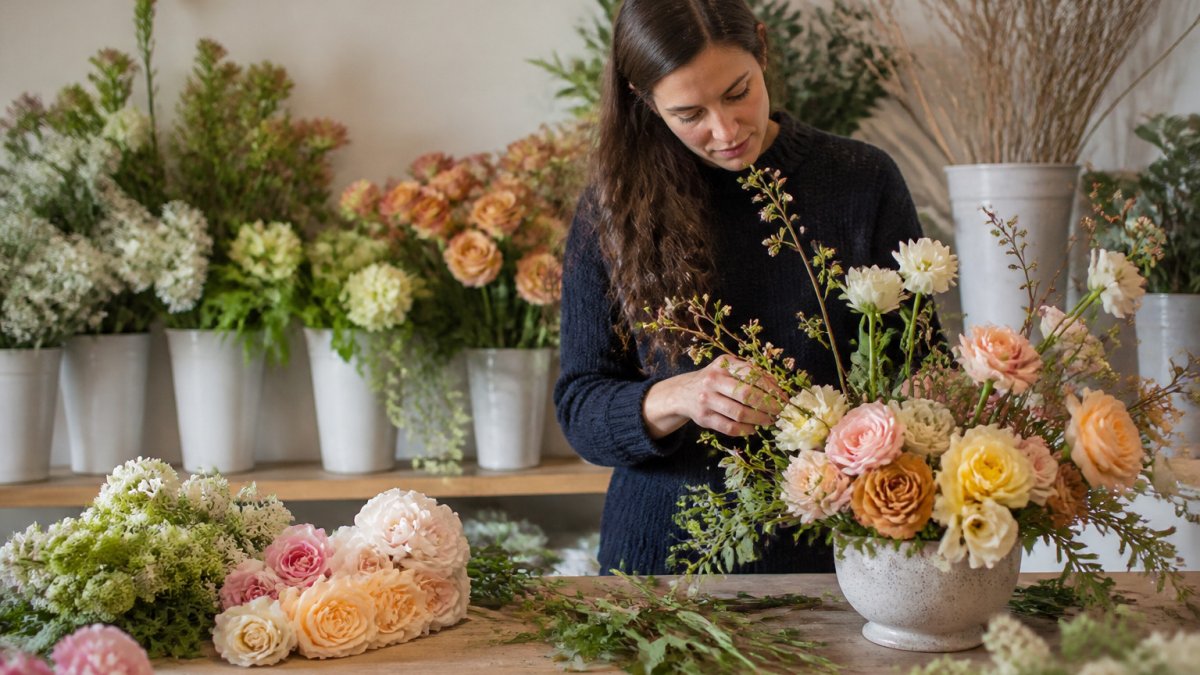
This is where a skilled florist makes all the difference. They understand how to layer blooms at different depths and heights, how to use foliage to create structure without overwhelming the flowers, and how to leave intentional gaps that make the arrangement feel sophisticated rather than sparse.
How to Brief Your Florist for Bespoke Designs
The difference between a generic arrangement and a truly bespoke design often comes down to communication. Here's how to work collaboratively with your florist to get exactly what you envision.
Sharing your vision clearly
Start with reference images, but don't stop there.
Instead, describe what matters most to you. Are you drawn to romantic, abundant arrangements or clean, modern lines? Do you want your flowers to feel like a garden or a gallery installation? Do you prefer pastels or bold colours?
Bring fabric swatches from your dress, paint samples from your colour palette, and photos of your venue. Walk your florist through your day, ceremony space, reception layout, photo locations.
Working collaboratively through the design process
At My Botanic Life, we treat the design process as a partnership. Your florist isn't just executing your vision; they're bringing expertise, creativity, and problem-solving to the table.
Be open to their suggestions, but also be clear about your non-negotiables.
Schedule multiple consultations if needed. A good florist will want to refine the design with you and make sure you're completely confident before the wedding day arrives.
Creating bespoke wedding flowers that truly reflect your style and story requires thoughtfulness, collaboration, and expertise. Whether you're planning a local celebration or a destination wedding, we work closely with you through every stage of the design process to create scenes that feel uniquely yours. Contact My Botanic Life for a consultation and let's start designing your unforgettable floral experience.
| Styling Strategy | Best For | Key Consideration |
|---|---|---|
| Dress-coordinated bouquet | Creating visual cohesion | Match silhouette and fabric to dress |
| Personal story florals | Meaningful, narrative design | Choose blooms with emotional significance |
| Colour-palette coordination | Unified wedding aesthetic | Work with seasonal availability |
| Ceremony statement pieces | Emotional atmosphere | Scale arrangements to venue size |
| Low-profile table flowers | Guest connection and conversation | Lush meadow-style density |
| Statement focal points | Budget-conscious impact | Concentrate flowers in high-visibility areas |
| Seasonal and sustainable blooms | Environmental responsibility | Source locally when possible |
| Texture and shape mixing | Visual interest and sophistication | Balance round and linear forms |
Frequently Asked Questions
How do I know a florist will understand my vision for bespoke wedding flowers?
A skilled floral designer will ask detailed questions about your personal style, the mood you want to create, and what colours and flowers resonate with you. Share inspiration (Pinterest boards, mood boards, even photos of places or objects you love), and discuss your wedding dress, venue, and any cultural or personal elements that matter. A collaborative designer will show you sketches or samples and refine the design based on your feedback. Ask to see examples of previous work that align with your aesthetic.
What's the difference between a regular florist and a bespoke floral designer?
A regular florist typically offers preset arrangements or standard packages. A bespoke floral designer creates entirely custom arrangements tailored to your vision, story, and venue. They consult deeply with you, consider your dress, colour palette, and personal narrative, and craft unique designs that reflect who you are. Bespoke design involves more time, expertise, and personalisation.
How do I choose seasonal flowers for my bespoke wedding flowers without limiting my options?
Seasonal flowers are fresher, more affordable, and better for the environment. Work with your florist to identify which seasonal blooms are available in your wedding month and explore varieties you may not have considered. For example, dahlias and hydrangeas are stunning in autumn; ranunculus and garden roses shine in spring. If your heart is set on a specific out-of-season flower, discuss hybrid or imported options with your designer, understanding that these may cost more and carry a larger environmental footprint.
Can I repurpose my ceremony flowers for the reception to save on costs?
Yes. Many bespoke designers can create modular arrangements that transition from ceremony to reception. For instance, aisle arrangements or arch installations can be repositioned as table centrepieces or focal points in the reception space. This strategy maximises your floral investment and reduces waste. Discuss this approach during your design consultation so your florist can plan durable blooms and versatile structures from the start.